

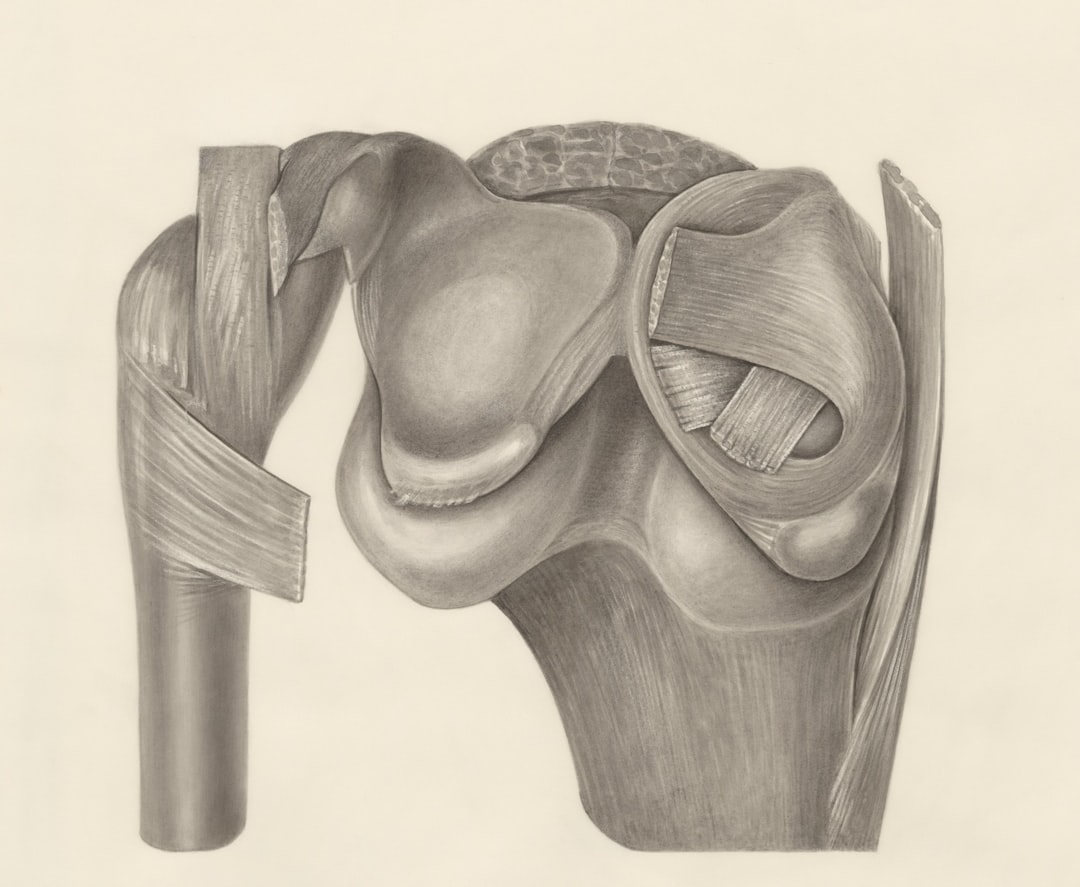
An ACL tear can be a profoundly disruptive injury, sidelining you from activities you love and creating significant uncertainty about your future mobility. The anterior cruciate ligament (ACL), a crucial band of tissue connecting your thigh bone to your shin bone, is vital for knee stability. When it tears, especially during sports or sudden movements, it often presents not just physical pain but also a mental challenge.
Navigating the path from injury to full recovery involves critical decisions about treatment, surgery, and a structured rehabilitation process. Many patients feel overwhelmed by the prospect of a lengthy recovery and the details involved in regaining strength and function. Understanding each phase can help you make informed medical decisions and manage expectations effectively.
At BioSyntrx Medical Center in San Francisco, we specialize in providing accurate diagnosis and patient-focused care for orthopedic injuries like ACL tears. Our board-certified orthopedic specialists guide you through every step, ensuring a coordinated and evidence-based approach to your healing. We believe that effective healthcare starts with understanding the patient, and our range of services is designed to support your journey back to health.
What is an ACL Tear and What Does Surgery Involve?
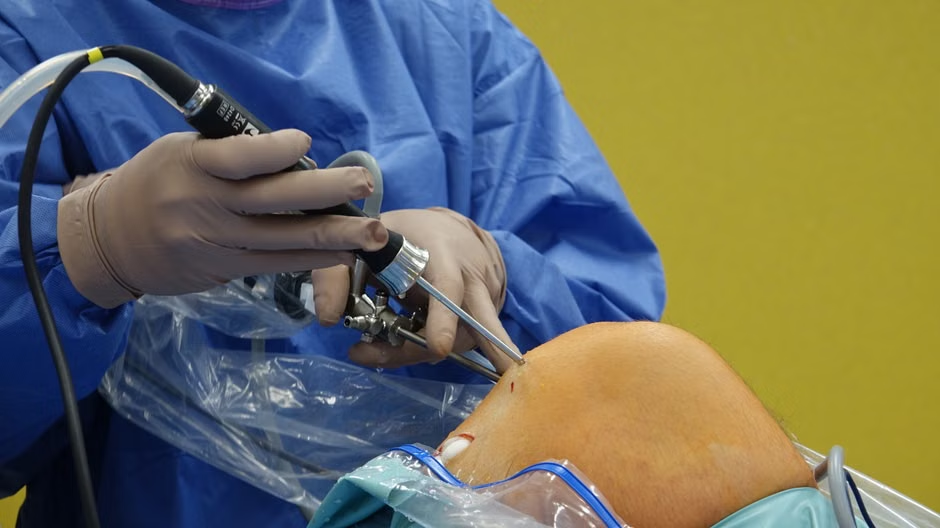
An ACL tear refers to a rupture or sprain of the anterior cruciate ligament, ranging from a mild sprain (Grade 1) to a complete rupture (Grade 3). ACL reconstruction surgery typically involves replacing the torn ligament with a graft, often from your own body (autograft) or a donor (allograft), to restore knee stability and function. This procedure is usually performed arthroscopically, using small incisions and a camera.
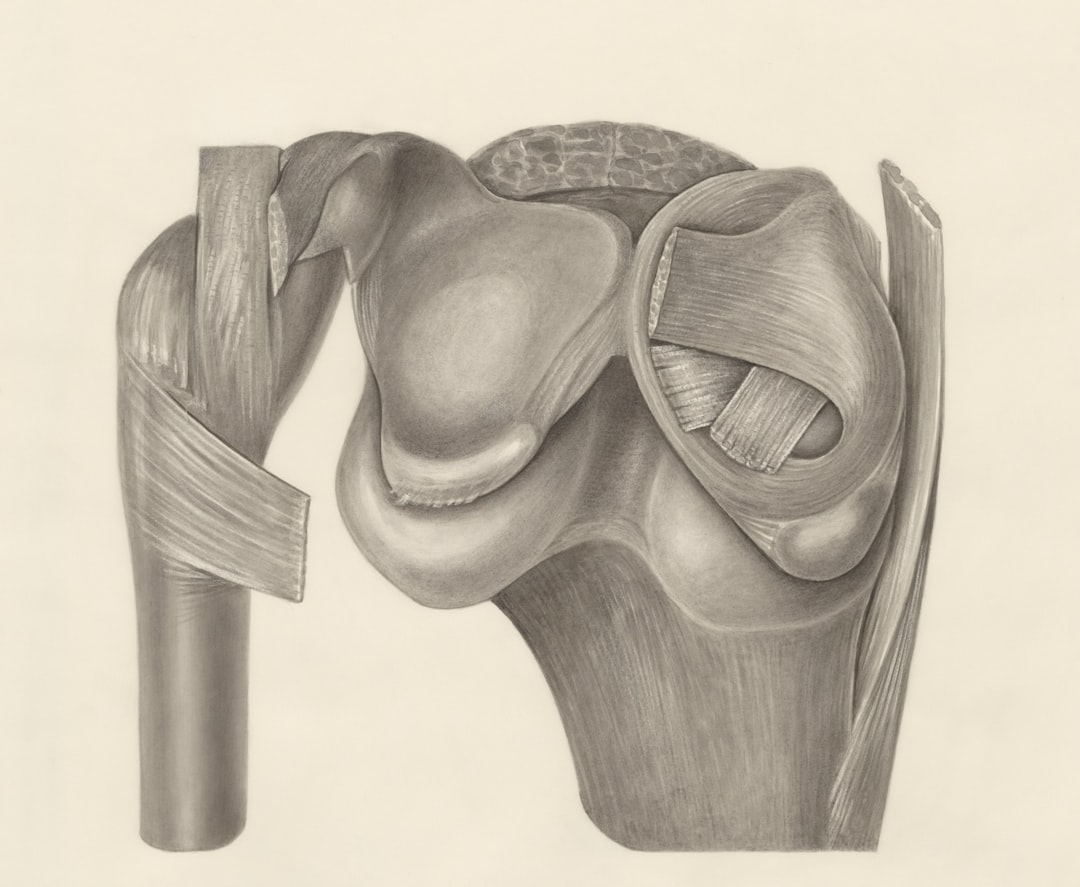
The anterior cruciate ligament is one of the four major ligaments in your knee, playing a key role in preventing the shin bone from sliding too far forward and stabilizing rotational movements. Tears commonly occur during sudden stops, changes in direction, jumping, or landing maneuvers, frequently seen in athletes participating in sports like soccer, basketball, and skiing. According to the Mayo Clinic, women may be more prone to ACL injuries due to differences in anatomy, muscle strength, and neuromuscular control.
Surgical reconstruction becomes necessary when the torn ACL severely compromises knee stability, particularly for individuals who want to return to high-demand physical activities. While some minor tears or less active individuals might opt for non-surgical management, surgery aims to prevent chronic instability and reduce the risk of further knee damage, such as meniscus tears or osteoarthritis.
ACL and Meniscus Surgery Recovery Timeline
When an ACL tear is accompanied by a meniscus injury, the recovery timeline can be extended slightly due to the need for additional healing in the meniscus. Generally, it still follows the broad stages of ACL rehabilitation, but weight-bearing restrictions or brace protocols might be more stringent initially. The combined recovery typically ranges from 6 to 12 months for a full return to sport, with careful monitoring of both graft and meniscal healing.
The meniscus, a C-shaped cartilage in your knee, acts as a shock absorber. A tear in the meniscus, often occurring concurrently with an ACL injury, requires careful attention. If the meniscus is repaired (sutured back together), the initial recovery might involve a longer period of non-weight-bearing or restricted knee flexion to allow the repair to heal properly. If the torn part of the meniscus is simply trimmed (meniscectomy), the impact on the timeline is often less significant.
Our orthopedic team at BioSyntrx Medical Center works closely with you to develop a rehabilitation plan that accounts for all aspects of your injury. We emphasize clinical precision in diagnosis and treatment planning, ensuring that both your ACL graft and any meniscal repairs receive optimal conditions for healing. Jean Terry, our primary content author and clinical healthcare educator, reminds us that “each patient’s recovery is unique, influenced by the severity of their injuries, their overall health, and their commitment to the rehabilitation program.”
“The success of an ACL reconstruction, especially when combined with meniscal repair, relies heavily on a structured and progressive rehabilitation program. Patient adherence to physical therapy protocols is just as crucial as the surgical technique itself.”
ACL Surgery Recovery Time Off Work
The time you’ll need off work after ACL surgery varies greatly depending on your job’s physical demands. For sedentary desk jobs, you might return in 1-3 weeks, potentially with modified hours or remote work. Physically demanding roles, involving lifting, prolonged standing, or heavy manual labor, often require 3-6 months or even longer before a safe return to full duties is possible. Your surgeon and physical therapist will provide clear guidance.
During the initial weeks post-surgery, swelling, pain, and restricted mobility will limit your ability to perform even basic tasks comfortably. It’s important to prioritize your recovery during this period. We often recommend discussing your work requirements with your employer beforehand and planning for adequate time off. Our experience over 25+ years in operation has shown that rushing back to work, particularly physically strenuous jobs, can jeopardize the healing process and increase the risk of re-injury.
For individuals in high-impact professions, we might recommend a phased return to work, gradually increasing activity levels as tolerated. This collaborative approach between patient, employer, and our medical team ensures a safe transition back to your professional life while safeguarding your long-term health.
Bad Signs After ACL Surgery
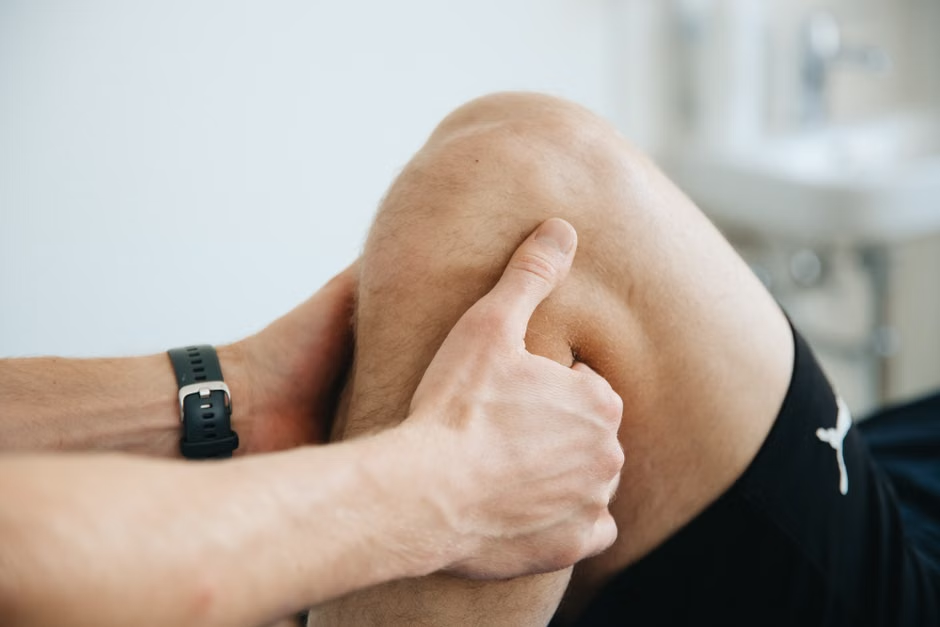
While some discomfort is normal after ACL surgery, certain signs warrant immediate medical attention. You should contact your care team if you experience a sudden increase in pain not relieved by medication, persistent fever, redness or warmth around the incision site, excessive swelling, numbness or tingling in the lower leg or foot, or new difficulty bearing weight. These could indicate complications like infection, deep vein thrombosis (DVT), or nerve damage.
Post-operative care is crucial for monitoring your recovery and preventing potential issues. Our team emphasizes clear communication throughout your healing journey. We provide detailed instructions on what to expect and what signs to watch for. Don’t hesitate to reach out if something feels off; early evaluation can prevent minor issues from becoming major problems.
Common post-operative experiences include:
- Mild to moderate pain, manageable with prescribed medication.
- Swelling, which can be controlled with elevation and ice.
- Bruising around the knee and lower leg.
- Temporary numbness around the incision, which usually resolves.
However, specific symptoms that deviate from these norms should be discussed with your doctor without delay. We prioritize patient safety and are equipped with 24/7 emergency services to address urgent concerns, underscoring our commitment to attentive care.
Minor ACL Tear Recovery Time: Surgical vs. Non-Surgical
Recovery time for a minor ACL tear (Grade 1 or 2 sprain) can vary significantly depending on whether surgical intervention is chosen. Non-surgical recovery, which focuses on physical therapy to strengthen surrounding muscles and improve stability, might allow a return to light activities in 6-12 weeks and full, unrestricted activity within 3-6 months. Surgical reconstruction, even for minor tears that cause instability, initiates a longer 6-12 month recovery due to the biological healing required for the graft.
For some Grade 1 and certain Grade 2 tears, particularly in individuals with lower activity levels or those willing to modify their lifestyle, non-surgical management can be effective. This typically involves extensive physical therapy, focusing on strengthening the quadriceps and hamstrings, improving proprioception, and learning compensatory movement patterns. We ensure a thorough assessment to determine if non-surgical options are suitable for your specific injury and lifestyle.
However, if a minor tear still results in noticeable knee instability, especially during pivoting or twisting movements, surgical reconstruction might be recommended regardless of the tear’s grade. Clinical precision in diagnosing the degree of instability is key to recommending the most appropriate path forward. Our orthopedics specialists provide clear guidance, helping you weigh the benefits and risks of each approach.
Practical Tips for a Successful ACL Recovery
Your commitment to the recovery process significantly impacts the outcome of ACL surgery. Here are some practical strategies we recommend to optimize your healing and regain full function:
- Follow Rehabilitation Protocols Diligently: Adhere strictly to your physical therapist’s exercises and guidelines. Consistency is paramount for restoring strength, range of motion, and stability. Don’t skip sessions or try to advance too quickly.
- Manage Pain and Swelling: Use ice, elevation, and prescribed medications to control discomfort and inflammation, especially in the initial weeks. Effective pain management allows for better participation in therapy.
- Prioritize Nutrition and Hydration: A balanced diet rich in protein, vitamins, and minerals supports tissue repair. Staying well-hydrated is also crucial for overall health and recovery.
- Listen to Your Body: While pushing yourself in therapy is important, distinguish between muscle fatigue and actual pain. Avoid activities that cause sharp, sudden pain, as this could indicate overexertion or re-injury.
- Maintain Overall Fitness: Engage in gentle, non-impact exercises for other body parts (e.g., upper body, core) as approved by your therapist. This helps maintain cardiovascular health and prevents overall deconditioning during your recovery.
- Seek Support and Stay Positive: Recovery can be mentally challenging. Lean on friends, family, and your medical team for support. Maintaining a positive outlook can greatly aid your perseverance through the demanding rehabilitation phases.
“Consistent engagement in prescribed physical therapy, starting from day one post-surgery, is non-negotiable for optimal ACL recovery. Skipping steps or failing to complete exercises significantly increases the risk of graft failure and prolonged rehabilitation.”
We’ve observed firsthand that patients who diligently follow these practical treatment strategies achieve the best long-term outcomes. Our multi-specialty coordinated care approach ensures you have access to orthopedic surgeons, physical therapists, and other specialists under one roof, providing integrated treatment planning for your recovery.
Recovering from an ACL tear, whether through surgical reconstruction or non-surgical management, is a journey that demands patience, dedication, and expert guidance. At BioSyntrx Medical Center, our San Francisco-based team is dedicated to providing patient-centered care, from accurate diagnosis to comprehensive rehabilitation. We believe in empowering you with clear communication and evidence-based medicine so you can make informed decisions about your health. If you’re facing an ACL injury or have questions about your orthopedic health, we invite you to connect with us. Visit our home page to learn more about how our specialists can support your path to recovery and renewed mobility.
