

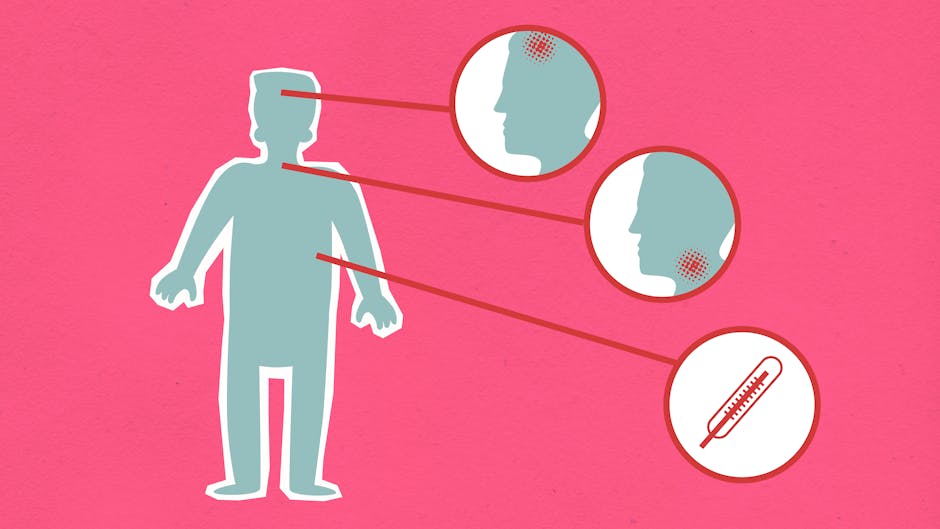
Living with chronic skin conditions like eczema or atopic dermatitis can be a persistent challenge. The constant itching, redness, and inflammation don’t just affect your skin’s appearance; they disrupt sleep, impact daily activities, and can significantly lower your quality of life. Many people experience cycles of flare-ups and periods of remission, often struggling to identify what triggers their symptoms or how to best care for their delicate skin barrier.
Understanding these conditions is the first step toward effective management and lasting relief. It requires accurate diagnosis and a personalized approach to treatment, focusing not just on symptoms but also on the underlying mechanisms. We believe that effective healthcare starts with understanding the patient, and that’s why we provide clear guidance for managing conditions like eczema and its variants.
At BioSyntrx Medical Center in San Francisco, our dermatology specialists focus on evidence-based medicine to help patients achieve long-term health. We know how frustrating it can be to navigate skin conditions, and our coordinated care approach ensures you receive comprehensive support. To learn more about the range of services we offer, including specialized dermatology care, visit our services page.
What is the difference between atopic dermatitis and eczema?
Atopic dermatitis is the most common and severe form of eczema, specifically referring to a chronic inflammatory skin condition linked to an overactive immune system, often appearing alongside allergies or asthma. Eczema is a broader term encompassing various types of skin inflammation, all characterized by itching, redness, and dryness, but not all forms are atopic dermatitis.
Eczema, also known as dermatitis, is a general term for a group of conditions that cause skin inflammation. These conditions manifest with symptoms such as dryness, itching, redness, and sometimes blistering or oozing. Atopic dermatitis is a specific type of eczema, and it’s the most common form, particularly in children, though it can affect adults too. It’s considered a chronic condition, often part of the “atopic triad,” meaning it can co-occur with asthma and hay fever. This connection suggests a strong genetic and immune system component.
Another common form of dermatitis is sebaceous dermatitis, often referred to as seb dermatitis. This condition primarily affects areas of the body with a high concentration of sebaceous (oil-producing) glands, like the scalp, face (especially around the nose and eyebrows), and chest. It results in red, scaly, greasy patches, sometimes with dandruff. While distinct from atopic dermatitis in its specific causes and presentation, it shares the characteristic skin inflammation common to all forms of eczema. According to the Mayo Clinic, sebaceous dermatitis is believed to be linked to a yeast called Malassezia, which lives on the skin, and an irregular immune response.
What causes eczema?
Eczema causes are complex, involving a combination of genetics, immune system dysfunction, and environmental triggers. For atopic dermatitis, a compromised skin barrier allows irritants and allergens to penetrate, leading to inflammation. Other forms like contact dermatitis are caused by direct exposure to specific irritants or allergens.
Genetics play a significant role. If your parents have eczema, asthma, or hay fever, you’re more likely to develop atopic dermatitis. This suggests a predisposition to a hyper-reactive immune system. Environmental factors also contribute heavily to eczema causes. Common triggers for flare-ups include:
- Irritants: Soaps, detergents, shampoos, disinfectants, certain fabrics (wool, synthetics).
- Allergens: Dust mites, pet dander, pollen, mold, certain foods.
- Microbes: Bacteria like Staphylococcus aureus, viruses, and fungi (like Malassezia in sebaceous dermatitis).
- Temperature changes: Very hot or cold weather, sweating.
- Stress: Emotional stress can exacerbate symptoms, though it doesn’t directly cause eczema.
- Hormonal changes: Fluctuations, especially in women, can trigger flares.
“The skin barrier, a crucial protective layer, is often compromised in individuals with eczema. This impaired barrier function makes the skin more susceptible to moisture loss and allows irritants, allergens, and microbes to enter, triggering inflammatory responses.”
In our practice, we often find that meticulous clinical assessment helps identify specific triggers for each patient. This early evaluation is key to developing practical treatment strategies and achieving better long-term outcomes.
How to repair skin barrier in eczema?
Repairing the skin barrier in eczema involves consistent moisturization, avoiding harsh irritants, and using products specifically designed to support barrier function. Emollients and barrier repair creams help seal in moisture and protect against external stressors, reducing inflammation and the frequency of flare-ups.
The skin barrier, comprised mainly of ceramides, fatty acids, and cholesterol, acts as your body’s first line of defense against the environment. When this barrier is weak, moisture escapes, and irritants can easily penetrate, leading to the characteristic inflammation of eczema. Rebuilding and strengthening this barrier is paramount for managing the condition. Here’s how we guide patients in repairing their skin barrier:
- **Gentle Cleansing:** Use mild, fragrance-free cleansers. Hot water strips natural oils, so opt for lukewarm showers or baths. Pat skin dry gently; don’t rub.
- **Consistent Moisturizing:** Apply a thick, emollient moisturizer for dry skin immediately after bathing to lock in moisture. Look for products containing ceramides, hyaluronic acid, or colloidal oatmeal. We recommend moisturizing at least twice daily.
- **Avoid Irritants:** Steer clear of fragranced products, harsh soaps, alcohol-based sanitizers, and rough fabrics. Check laundry detergents for irritating chemicals.
- **Topical Treatments:** Your dermatologist might prescribe topical corticosteroids, calcineurin inhibitors, or other barrier-repair creams to reduce inflammation and fortify the skin.
- **Humidify Your Environment:** Especially in dry climates or during winter, a humidifier can add moisture to the air, preventing your skin from drying out further.
Jean Terry, our primary content author and clinical healthcare educator, emphasizes that “consistent, attentive care is what truly makes a difference in managing chronic skin conditions. It’s not about quick fixes but about building sustainable routines that support your skin’s health.”
Is eczema curable?
No, eczema is not curable in the sense that it cannot be permanently eliminated, as it is a chronic condition. However, it is highly manageable. Effective treatments and lifestyle adjustments can significantly reduce symptoms, prevent flare-ups, and improve quality of life, often leading to long periods of remission.
While there’s no “cure” for eczema, especially atopic dermatitis, the good news is that its symptoms can be effectively controlled. Many children outgrow their eczema, or its severity lessens with age. For adults, the goal of treatment is to manage symptoms, prevent flares, and improve the skin’s overall health and barrier function. Our experienced dermatology team at BioSyntrx Medical Center provides patient-focused, evidence-based care to help you achieve these goals.
This includes developing an individualized treatment plan that may combine topical medications, systemic therapies, light therapy, and diligent skin care routines. The journey involves clear communication and often some trial and error to find what works best for your unique skin and triggers. We focus on early diagnosis and intervention, helping to avoid unnecessary risks and prolonged treatments by getting ahead of potential complications.
“Living with a chronic condition like eczema means understanding that management is an ongoing process. With the right strategies and medical guidance, individuals can achieve significant relief and maintain healthy skin, even if the underlying predisposition remains.”
What to Look For: Recognizing Different Dermatitis Types
Recognizing the specific type of dermatitis you might have is crucial for accurate diagnosis and effective treatment. While general symptoms like redness and itching are common, subtle differences can point to the underlying condition:
- **Atopic Dermatitis:** Often presents with intense itching, dry, red patches, especially in the creases of elbows and knees, neck, and face. Skin can become thickened (lichenified) over time due to scratching.
- **Sebaceous Dermatitis (Seb Dermatitis):** Characterized by greasy, yellowish scales on red skin, commonly found on the scalp (dandruff), eyebrows, sides of the nose, and chest. Itching can vary.
- **Contact Dermatitis:** Appears suddenly after exposure to an irritant or allergen. Symptoms include red rash, itching, burning, and sometimes blisters. The rash is usually confined to the area of contact.
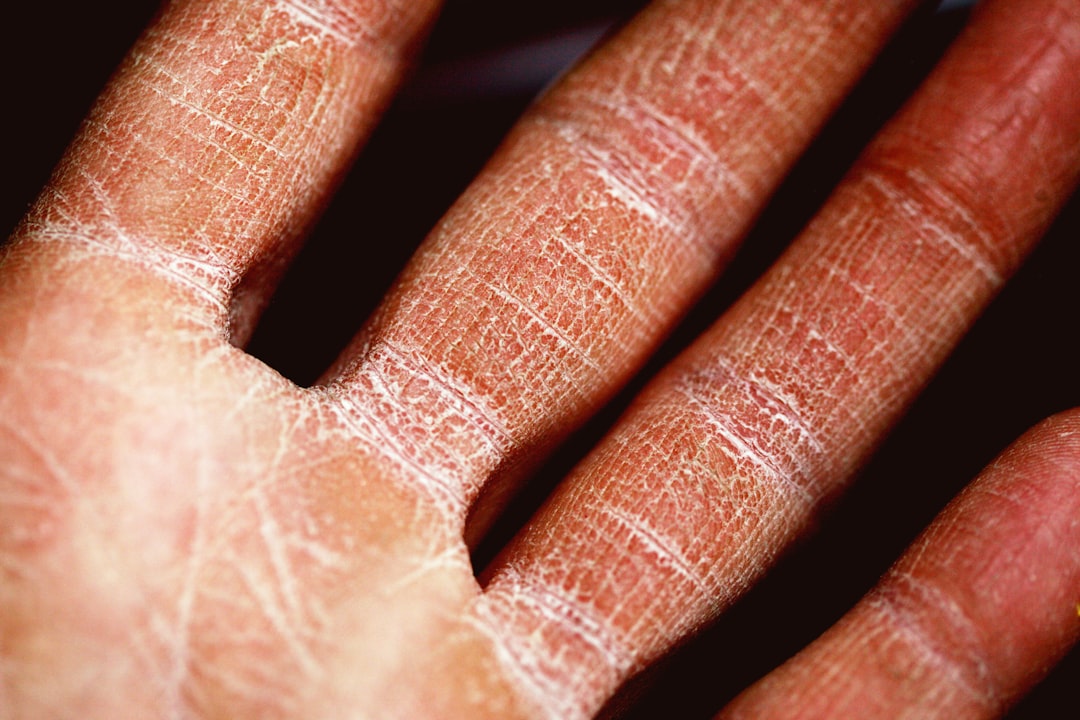
- **Dyshidrotic Eczema:** Features small, itchy blisters (vesicles) primarily on the palms of hands, soles of feet, and sides of fingers and toes. These blisters can be painful and lead to cracking.
- **Nummular Eczema:** Presents as coin-shaped patches of irritated skin, often intensely itchy, typically on the arms, legs, and torso.
Any persistent skin changes, especially those accompanied by severe itching, pain, or signs of infection, warrant early evaluation by a specialist. Our board-certified providers can accurately assess your condition and guide you toward appropriate care.
Practical Tips for Managing Eczema and Preventing Flares
Living with eczema requires a proactive approach to skin care and lifestyle. Here are some practical tips we offer our patients to help manage their symptoms and reduce the frequency and severity of flare-ups:
- **Identify and Avoid Triggers:** Keep a journal of your symptoms and potential triggers. This can help you pinpoint what makes your eczema worse, whether it’s certain foods, fabrics, or environmental factors.
- **Moisturize Regularly:** This is perhaps the most important step. Apply emollients generously and frequently, especially after bathing, to maintain skin hydration and strengthen the skin barrier. Choose fragrance-free, hypoallergenic products.
- **Manage Stress:** Stress is a known trigger for eczema flares. Incorporate stress-reducing activities into your routine, such as mindfulness, yoga, deep breathing exercises, or spending time in nature.
- **Wear Breathable Fabrics:** Opt for soft, natural fibers like cotton. Avoid wool and synthetic materials that can irritate the skin and cause sweating.
- **Control Itching:** Resist the urge to scratch, as this can worsen inflammation and lead to infection. Use cold compresses, anti-itch creams, or prescribed medications. Keeping nails short also helps minimize damage if you do scratch.
- **Consider Your Diet:** While not a universal solution, some individuals find that certain foods trigger their eczema. Discuss potential dietary changes with your doctor or a nutritionist, but avoid restrictive diets without professional guidance.
Managing eczema and other forms of dermatitis, like seb dermatitis, requires a diligent, informed approach. At BioSyntrx Medical Center, we offer patient-focused, attentive care with a commitment to accurate diagnosis and evidence-based treatment plans. Our goal is to provide clear communication and collaborative care so you can make informed medical decisions about your skin health. We are located at 742 Medical Plaza Drive, Suite 210, San Francisco, CA 94107, ready to support your journey to better skin. Visit our homepage to discover how we can help you.
