
Living with persistent pelvic pain or unusually severe menstrual discomfort can be debilitating, often leaving individuals searching for answers and relief. These experiences can disrupt daily life, affect relationships, and make even simple tasks feel overwhelming. Many assume severe period pain is normal, but it’s often a sign that something more significant is at play, requiring careful evaluation.
One common, yet frequently misunderstood, condition behind such symptoms is endometriosis. It’s a complex health challenge that can present with a wide array of manifestations, from cramping to chronic deep pelvic ache. Understanding what endometriosis is, how it’s diagnosed, and what treatment strategies are available is the first step toward reclaiming your well-being.
At BioSyntrx Medical Center, we’re dedicated to providing accurate diagnosis and patient-centered care for gynecological conditions. We believe that effective healthcare starts with understanding the patient, which is why we emphasize clear communication and thorough evaluation for concerns like endometriosis. If you’re experiencing irregular menstrual periods or ongoing pelvic discomfort, seeking an early evaluation is crucial for better long-term outcomes.
What Is Endometriosis? A Foundation
Endometriosis is a condition where tissue similar to the lining of the uterus, called the endometrium, grows outside the uterus. These growths, known as implants or lesions, can appear on organs such as the ovaries, fallopian tubes, and the outer surface of the uterus, though they can develop in other areas of the body as well. This misplaced tissue behaves like the uterine lining, thickening, breaking down, and bleeding with each menstrual cycle. However, unlike menstrual blood from the uterus, this blood has no way to exit the body, leading to irritation, inflammation, pain, and the formation of scar tissue and adhesions.
The exact cause of endometriosis remains unclear, but several theories exist, including retrograde menstruation, where menstrual blood containing endometrial cells flows back through the fallopian tubes into the pelvic cavity. Genetic predisposition and immune system dysfunction also appear to play a role. According to the Mayo Clinic, endometriosis can affect up to 1 in 10 women during their reproductive years, highlighting its prevalence and the widespread need for effective diagnosis and management.
What Are the Symptoms of Endometriosis?
Endometriosis can manifest with a broad spectrum of symptoms, and their severity doesn’t always correlate with the extent of the disease. Some individuals with extensive endometriosis may experience minimal symptoms, while others with mild disease endure intense pain. Recognizing these signs is crucial for early evaluation.
Here are common symptoms to look for:
- Painful periods (dysmenorrhea): Pelvic pain and cramping that may begin before and extend several days into your period. This can also include lower back pain or abdominal pain.
- Chronic pelvic pain: A persistent ache or discomfort in the lower abdomen and pelvis, unrelated to menstruation.
- Pain with intercourse (dyspareunia): Pain during or after sexual activity.
- Pain with bowel movements or urination: Especially during menstrual periods, which might sometimes be mistaken for other conditions like irritable bowel syndrome or a urinary tract infection.
- Heavy menstrual bleeding (menorrhagia): Unusually heavy periods or bleeding between periods.
- Infertility: Endometriosis can impair fertility, making it harder to conceive.
- Fatigue: Chronic pain and inflammation can lead to persistent tiredness.
- Gastrointestinal symptoms: Including diarrhea, constipation, bloating, or nausea, particularly during menstruation, sometimes mimicking other gut health issues.
Patients often describe pain that can feel like a deep ache in the lower right abdomen, or a sharp, cramping sensation in the lower left abdomen. These pain patterns can sometimes be confused with conditions such as appendicitis, highlighting the need for careful diagnostic assessment to rule out other causes of abdominal pain.

How Do We Diagnose Endometriosis?
Diagnosing endometriosis involves a combination of patient history, physical examination, and imaging, but its definitive diagnosis traditionally requires surgical confirmation. We start with a detailed discussion of your symptoms, medical history, and family history. This helps us understand the nature and duration of your pain, bleeding patterns, and any fertility concerns.
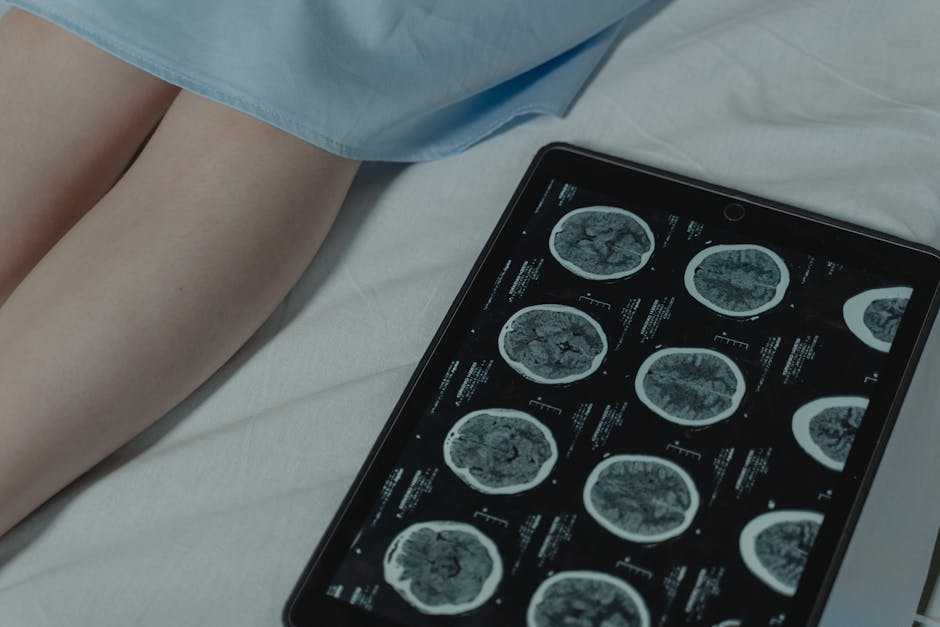
A pelvic exam may reveal signs such as tenderness or nodules behind the uterus, though often, early-stage endometriosis has no palpable findings. Imaging tests, such as ultrasound, MRI, or CT scans, can help identify larger endometrial implants, ovarian cysts (endometriomas), or deep infiltrating endometriosis. However, these tests cannot definitively diagnose all forms of the disease, especially smaller lesions. For many years, the gold standard for definitive diagnosis has been laparoscopy, a minimally invasive surgical procedure where a surgeon can visually identify and often remove endometrial implants.
“The challenge with endometriosis diagnosis lies in its varied presentation and the need for direct visualization to confirm the presence of endometrial lesions. While non-invasive methods can raise suspicion, laparoscopy remains critical for definitive diagnosis and staging.”
Can Endometriosis Be Diagnosed Without Surgery?
While definitive diagnosis of endometriosis traditionally relies on surgical laparoscopy, significant progress has been made in identifying the condition through non-surgical methods. A strong clinical suspicion, based on your symptoms and physical exam findings, is often the initial step. Advanced imaging techniques, like specialized pelvic MRI, can detect deeper infiltrating endometriosis and endometriomas with reasonable accuracy. However, these methods are less effective at identifying superficial lesions.
Blood tests, such as CA-125, can sometimes be elevated in severe cases of endometriosis, but this marker is not specific enough for a standalone diagnosis and can be elevated in other conditions too. Therefore, while we can build a strong presumptive diagnosis and begin empirical treatment based on non-surgical findings, surgical visualization and biopsy are often necessary for definitive confirmation, especially if symptoms persist or treatment is complex.
What Are the Treatment Options for Endometriosis?
Endometriosis treatment is highly individualized, focusing on managing symptoms, preserving fertility, and improving quality of life. Our approach at BioSyntrx Medical Center integrates several strategies tailored to your specific needs and goals. We work to develop a personalized plan, informed by the latest evidence-based medicine.
Medical Management
Hormonal therapies are often the first line of treatment, aiming to suppress the growth of endometrial tissue by reducing estrogen levels. Options include:
- Oral contraceptives: Birth control pills, patches, or vaginal rings can manage pain and bleeding by regulating menstrual cycles.
- GnRH agonists and antagonists: These medications temporarily induce a menopause-like state, significantly reducing estrogen production and shrinking endometrial implants.
- Progestin therapy: Hormonal IUDs, injections, or oral progestins can also help reduce pain and bleeding.
- Pain relievers: Over-the-counter anti-inflammatory drugs (NSAIDs) like ibuprofen or naproxen can help manage menstrual cramps. For more severe pain, prescription medications may be necessary.
Surgical Intervention
When medical treatments are insufficient, or if fertility is a primary concern, surgical options may be considered. Conservative surgery aims to remove endometrial implants and adhesions while preserving reproductive organs. For individuals with severe, debilitating symptoms who do not plan future pregnancies, a hysterectomy with removal of the ovaries might be considered, though this is a significant decision and not always a cure, as endometriosis can recur.
“While surgery can provide immediate relief by excising endometrial lesions, it is often part of a broader, long-term management strategy that may also include medical therapies to prevent recurrence and manage residual symptoms.”
Adjunctive Therapies
Beyond traditional medical and surgical approaches, other therapies can significantly improve symptom management. Pelvic floor physical therapy, for example, can address muscle tension and pain often associated with chronic pelvic conditions. Dietary changes, stress management techniques, and acupuncture are also sometimes used as complementary approaches to help manage pain and inflammation. In our practice in San Francisco, we recognize that a truly patient-focused approach often involves exploring these complementary options in coordination with primary treatments.
Suitability and Alternatives
Not every patient with pelvic pain will have endometriosis, and not every patient with endometriosis will benefit from the same treatment. We prioritize accurate diagnosis to differentiate endometriosis from other conditions that cause similar symptoms, such as ovarian cysts, fibroids, polycystic ovary syndrome (PCOS), or even gastrointestinal issues. For example, lower abdominal pain could also stem from conditions like irritable bowel syndrome or even a urinary tract infection.
For individuals primarily experiencing pain, a multi-modal approach might include specific pain relief medications, nerve blocks, or referrals to pain management specialists. When fertility is a concern, we focus on conservative surgical options and collaborate with fertility specialists. We always discuss the pros and cons of each treatment path, including potential side effects and recovery times, ensuring you make informed medical decisions.
Sometimes, conditions such as hypothyroidism can also impact menstrual health and overall well-being, though they are distinct from endometriosis. Effective treatment for hypothyroid disease, for instance, focuses on hormone replacement to restore metabolic balance, a different mechanism entirely from addressing misplaced endometrial tissue.
What to Expect from Treatment and Realistic Timelines
The journey with endometriosis is often long-term, and treatment aims for management, not always a complete cure. You can expect to work closely with your healthcare team to find the most effective strategies for your specific symptoms. Symptom improvement, particularly pain reduction, can often be noticed within weeks to a few months of starting hormonal therapy. Surgical recovery typically takes a few weeks, with pain relief often experienced shortly after, though it can take longer to assess the full benefits.
It’s important to set realistic expectations. Endometriosis can recur even after successful surgery or initial medical treatment. Regular follow-up appointments are essential to monitor symptoms, adjust treatments, and maintain long-term health. Our 100+ expert doctors, through 25+ years of operation, have seen that consistent, attentive care and a proactive approach lead to the best long-term outcomes for our patients.
Practical Tips for Managing Endometriosis
Managing endometriosis effectively extends beyond medical appointments. Here are practical steps you can take to support your treatment and improve your quality of life:
- Track your symptoms: Keep a detailed journal of your pain levels, location, duration, and any other symptoms, noting their relation to your menstrual cycle. This information is invaluable for your doctor to accurately assess your condition and treatment effectiveness.
- Communicate openly with your doctor: Don’t hesitate to discuss all your symptoms, concerns, and how the condition impacts your life. Clear communication ensures your treatment plan is tailored to your needs.
- Explore pain management techniques: Beyond medication, consider heat therapy, gentle exercise (like walking or yoga), or relaxation techniques such as meditation.
- Adopt a healthy lifestyle: A balanced diet, regular physical activity, and adequate sleep can support your overall health and potentially reduce inflammation.
- Seek support: Connecting with others who have endometriosis or joining support groups can provide emotional comfort and practical advice.
- Consider complementary therapies: Discuss options like acupuncture, massage, or dietary changes with your healthcare provider to see if they might complement your primary treatment plan.
Endometriosis can present significant challenges, but with accurate diagnosis and a personalized, evidence-based treatment plan, managing its symptoms and improving your quality of life is possible. Jean Terry, a clinical healthcare educator, emphasizes that “understanding your body and advocating for your health are powerful tools in managing chronic conditions.” At BioSyntrx Medical Center, we offer coordinated care across multiple specialties, ensuring you receive a thorough evaluation and a tailored treatment strategy for endometriosis. We’re here to provide the precise and attentive care you deserve, helping you navigate your health journey with confidence.
