


Living with constant numbness, tingling, or sharp pain in your hands or feet can significantly impact your daily life. These uncomfortable sensations are often signs of peripheral neuropathy, a condition affecting the nerves outside of your brain and spinal cord. It can make simple tasks difficult, disrupt sleep, and cause a constant sense of unease.
Many patients feel these symptoms slowly emerge, sometimes dismissing them as natural aging or fatigue until they become persistent. Understanding the root cause is the first critical step toward finding relief and improving your quality of life. At BioSyntrx Medical Center, we prioritize accurate diagnosis and evidence-based care to help you regain comfort and function.
Our goal is to provide clear communication and precise medical guidance, ensuring you make informed decisions about your health. We believe that effective healthcare starts with understanding the patient, and our coordinated approach means our specialists work together to address complex neurological conditions. You can learn more about our specialty medical services on our website.
What Exactly Is Peripheral Neuropathy?
Peripheral neuropathy refers to damage to the peripheral nerves, which are the vast network of nerves that connect the brain and spinal cord to the rest of the body. These nerves are responsible for transmitting sensory information (like touch, pain, temperature), controlling muscle movement, and regulating involuntary bodily functions such as digestion and heart rate.
When these nerves are damaged, their ability to communicate effectively with the brain is disrupted. This can lead to a wide range of symptoms, most commonly affecting the hands and feet. The National Institute of Neurological Disorders and Stroke (NINDS) highlights that over 100 different types of peripheral neuropathy exist, each with its own specific causes and symptom patterns, making accurate diagnosis essential.
How Does Peripheral Neuropathy Develop?
Peripheral neuropathy isn’t a single disease but rather a symptom of damage to your peripheral nervous system. This damage can result from various factors, impacting the nerves in different ways. Some conditions might damage the protective myelin sheath surrounding nerve fibers, slowing down nerve signals. Others can directly harm the axon, the long projection that carries signals, or even destroy the entire nerve cell.
For example, in diabetic neuropathy, high blood sugar levels over time can damage the small blood vessels that supply nerves with oxygen and nutrients, leading to nerve cell dysfunction and eventual death. Autoimmune diseases, on the other hand, might cause the immune system to mistakenly attack nerve tissues, leading to inflammation and damage. Our board-certified neurologists use clinical precision to identify these underlying mechanisms.
What Are the First Signs of Nerve Damage?
The initial signs of nerve damage often manifest as subtle changes in sensation, usually beginning in the feet and hands before potentially spreading upwards into the arms and legs. Patients might first notice a mild tingling or prickling feeling, often described as “pins and needles,” or a gradual loss of sensation in their toes and fingers.
These early symptoms can be intermittent and easily dismissed, but they tend to worsen over time. Recognizing these subtle indicators and seeking early evaluation is crucial for managing the condition and preventing further deterioration. In our practice, we have seen how important it is to catch these symptoms early for better long-term outcomes.
Common Symptoms of Peripheral Neuropathy
The symptoms of peripheral neuropathy can vary widely depending on which nerves are affected—sensory, motor, or autonomic. Most commonly, it affects the sensory nerves, leading to:
- Gradual onset of numbness or tingling in your hands or feet, often spreading into your arms and legs.
- Sharp, jabbing, throbbing, or burning pain.
- Extreme sensitivity to touch, where even light contact can cause intense pain.
- Lack of coordination, making you prone to falls.
- Muscle weakness or paralysis if motor nerves are affected.
- Bowel or bladder problems, or changes in blood pressure, if autonomic nerves are involved.
- Increased sweating or an inability to sweat.
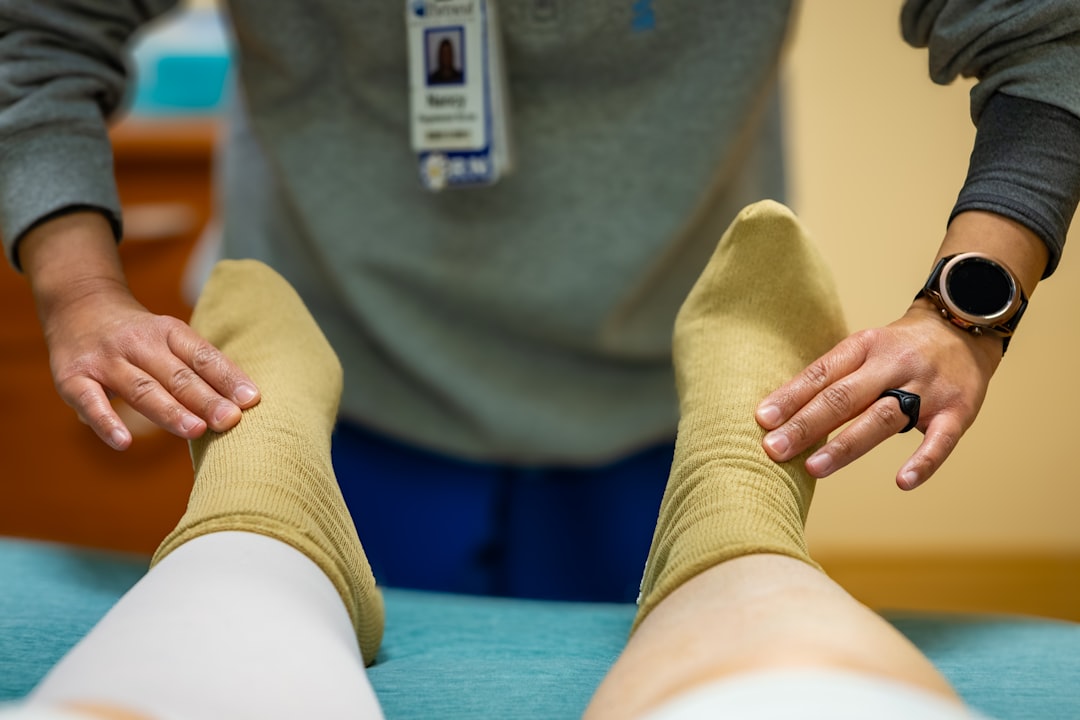
What Can Make Neuropathy Worse?
Several factors can exacerbate existing neuropathy or increase the risk of developing it. Uncontrolled underlying conditions, such as diabetes, remain a primary culprit. Poorly managed blood sugar levels continuously damage nerves, leading to progressive worsening of symptoms. Similarly, ongoing exposure to toxins like heavy metals or certain medications can also intensify nerve damage. Alcohol abuse is another significant contributor, directly damaging nerve tissue over time.
Furthermore, nutritional deficiencies, particularly a lack of B vitamins, can impair nerve health. Repetitive strain injuries, like carpal tunnel syndrome, can cause localized nerve compression, which, if left untreated, can lead to chronic neuropathy. Early diagnosis and proactive management of these contributing factors are vital for slowing progression and alleviating symptoms. We often find that a collaborative approach, addressing both the neurological and other systemic issues, offers the best path forward.
Can Peripheral Neuropathy Be Reversed?
Whether peripheral neuropathy can be reversed depends largely on its underlying cause and the extent of nerve damage. In some cases, particularly when the neuropathy is caused by factors like nutritional deficiencies, certain medications, or specific infections, addressing the root cause can lead to significant improvement or even full reversal of symptoms.
However, if the nerve damage is extensive or due to chronic conditions like advanced diabetes, complete reversal might not be possible. Even in such cases, effective management focuses on preventing further damage, alleviating symptoms, and improving quality of life. Our neurology specialists work to develop practical treatment strategies tailored to your specific situation, aiming for the best possible long-term health outcomes.
“While not all forms of peripheral neuropathy are fully reversible, early identification and aggressive management of the underlying cause can significantly slow progression and improve nerve function in many patients.”
Treatment for Neuropathy in Legs and Feet
Treating neuropathy in the legs and feet involves a multifaceted approach that addresses both the underlying cause and the symptoms themselves. Our initial focus is always on accurate diagnosis to pinpoint why your nerves are affected. Once we understand the cause, we can work to manage it, whether that means better blood sugar control for diabetic neuropathy, addressing vitamin deficiencies, or adjusting medications. For instance, treatment for a pinched nerve, such as the ulnar nerve or common peroneal nerve, might involve physical therapy or, in some cases, surgical decompression to relieve pressure.
Symptomatic treatments are also crucial for improving comfort and function. These can include medications to manage pain, such as anti-seizure drugs, antidepressants, or topical creams. Physical therapy plays a significant role in improving strength, balance, and coordination, which is especially helpful if neuropathy affects your mobility. Occupational therapy can help you adapt to daily tasks and maintain independence.
In certain instances, minimally invasive procedures or nerve blocks might be considered to provide targeted pain relief. Our team of specialists at BioSyntrx Medical Center is committed to developing a coordinated care plan that integrates these various approaches, focusing on patient-focused and patient-centered care.
Why Does Neuropathy Get Worse at Night?
Many individuals with peripheral neuropathy report that their symptoms, particularly pain and tingling, intensify at night. This phenomenon is often attributed to several factors. During the day, our minds are typically occupied with activities and distractions, which can naturally divert attention away from discomfort. As evening approaches and external stimuli decrease, our awareness of pain and other sensations can increase.
Additionally, changes in body temperature and blood flow can play a role. When lying down, blood circulation may change, potentially affecting nerve sensitivity. Some theories suggest that reduced physical activity at night might also lead to less production of natural pain-relieving compounds. Regardless of the exact mechanism, this nocturnal exacerbation highlights the need for effective symptom management strategies that provide relief around the clock.
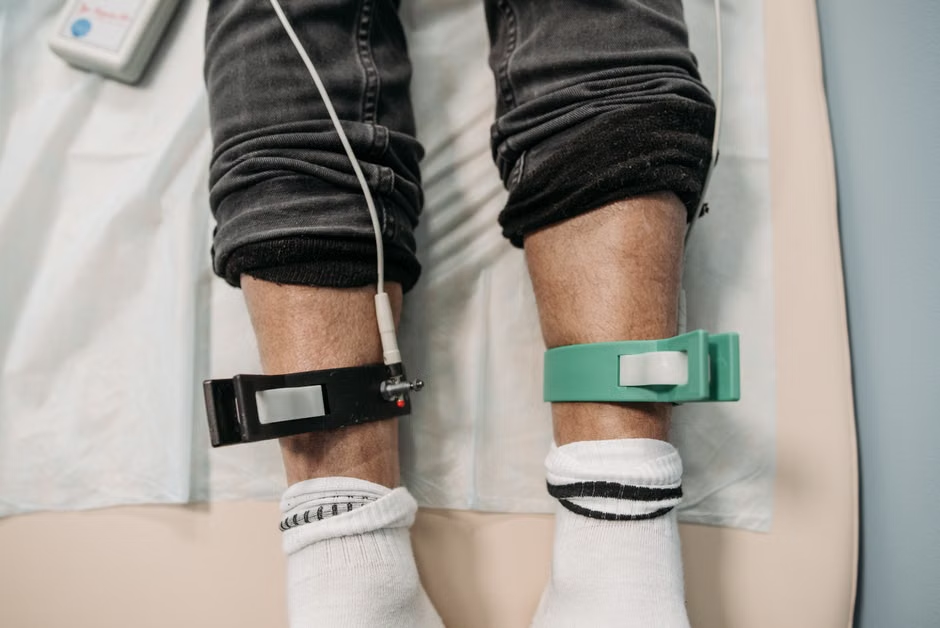
What To Expect: Managing Peripheral Neuropathy
Managing peripheral neuropathy is often a long-term process focused on controlling symptoms and improving quality of life. You shouldn’t expect an instant “cure,” especially for chronic forms of the condition. Instead, expect a journey of gradual improvement and adaptation. For example, some treatments might begin to show effects within weeks, such as certain medications reducing pain. Physical therapy often requires several months to build strength and improve balance effectively.
For neuropathies where the underlying cause can be reversed (like some vitamin deficiencies), nerve regeneration can take months to years, as nerves grow very slowly. What we typically see in our patients is that consistent adherence to a treatment plan, combined with ongoing monitoring, leads to significant reductions in pain, better sleep, and improved mobility within 3 to 6 months. It’s about setting realistic expectations and diligently following your personalized treatment strategy.
“Effective treatment for peripheral neuropathy often involves a combination of managing the underlying cause, symptomatic relief, and lifestyle adjustments, with improvements usually seen gradually over several weeks to months.”
— National Institute of Neurological Disorders and Stroke (NINDS)
Practical Tips for Living with Peripheral Neuropathy
Living with peripheral neuropathy requires proactive self-care and diligent management alongside professional medical guidance. Here are some practical steps you can take to help manage your condition and improve your well-being:
- Manage Underlying Conditions: If you have diabetes, keep your blood sugar levels strictly controlled. If you have an autoimmune disease, follow your prescribed treatment plan. This is foundational to preventing further nerve damage.
- Protect Your Feet and Hands: Because neuropathy can reduce sensation, you might not feel injuries. Inspect your feet daily for cuts, blisters, or sores. Wear comfortable, well-fitting shoes and avoid walking barefoot.
- Maintain a Healthy Diet: Focus on a balanced diet rich in fruits, vegetables, whole grains, and lean proteins. Pay particular attention to B vitamins, which are crucial for nerve health.
- Regular Exercise: Engage in moderate exercise like walking, swimming, or cycling. Physical activity can improve blood flow to your nerves, help manage blood sugar, and reduce pain.
- Avoid Alcohol and Tobacco: Both alcohol and tobacco can directly damage nerves and worsen neuropathy symptoms. Reducing or eliminating them can significantly improve nerve health.
- Consider Pain Management Strategies: Explore non-pharmacological methods like meditation, acupuncture (with your doctor’s approval), or gentle massage to help manage chronic pain.
Remember that communication with your healthcare provider is key. Don’t hesitate to discuss any new or worsening symptoms with our team at BioSyntrx Medical Center. We are here to provide attentive care and clear guidance, every step of the way, helping you navigate your health journey and find effective solutions.
Peripheral neuropathy can be a challenging condition, but with accurate assessment, evidence-based care, and a patient-centered approach, managing symptoms and improving your quality of life is absolutely achievable. At BioSyntrx Medical Center in San Francisco, we offer the multi-specialty coordinated care you need to address both the neurological aspects and any underlying health issues contributing to your neuropathy. Jean Terry, our primary content author and clinical healthcare educator, emphasizes that understanding your condition empowers you to make informed medical decisions. We invite you to visit our homepage or contact us directly to explore how our neurology specialists can help you find relief and improve your long-term health.
