

Many women experience symptoms like heavy menstrual bleeding, pelvic pressure, or discomfort, often dismissing them as “normal” or an unavoidable part of their cycle. However, these symptoms can frequently signal the presence of uterine fibroids, non-cancerous growths that develop in the uterus. If you’re grappling with unusually heavy or prolonged periods, you’re not alone, and it’s certainly not something you have to simply endure.
Uterine fibroids can significantly impact your quality of life, affecting daily activities, energy levels, and even reproductive health. Recognizing the signs early and understanding your treatment options is the first step toward finding relief. At BioSyntrx Medical Center, we’re dedicated to providing clear guidance and evidence-based care for gynecological conditions, ensuring you receive an accurate diagnosis and a personalized treatment plan.
Our approach centers on helping you make informed medical decisions, whether that involves managing symptoms or exploring treatments. As we’ve seen in our San Francisco clinic, early evaluation can lead to better outcomes and a return to comfort. We believe in coordinated care across specialties, and we’re here to help you understand the nuances of conditions like uterine fibroids, just as we guide patients through understanding causes and when to seek evaluation for irregular menstrual periods.
What Exactly Are Uterine Fibroids?
Uterine fibroids, also known as leiomyomas or myomas, are common non-cancerous growths that originate from the muscle tissue of the uterus. They can vary greatly in size, from tiny seedlings detectable only under a microscope to bulky masses that can distort and enlarge the uterus. Fibroids can grow as a single nodule or in clusters, and their location within the uterus determines the type of symptoms they might cause.
These growths are influenced by hormones, particularly estrogen and progesterone. They often develop during a woman’s reproductive years and typically shrink after menopause when hormone levels decrease. While often asymptomatic, when fibroids do cause problems, they can significantly impact daily life. Accurate diagnosis helps us determine the fibroid’s size, location, and type, which is crucial for tailoring an effective treatment strategy.
“Uterine fibroids are the most common benign tumors in women of childbearing age, affecting up to 80% of women by age 50. While many women with fibroids experience no symptoms, others can have severe symptoms that impact their quality of life, including heavy bleeding and pelvic pain.”
What Symptoms Should I Look For with Uterine Fibroids?
Identifying symptoms of uterine fibroids can sometimes be tricky because their manifestations vary widely depending on the fibroids’ size, number, and location. Many women have fibroids and never know it. However, for those who do experience symptoms, they can range from mild to severe, significantly impacting daily life. Paying attention to changes in your menstrual cycle or persistent pelvic discomfort is key for early diagnosis.
Our board-certified gynecologists emphasize clear communication about your symptoms. We’ve seen firsthand how an accurate assessment of these signs can lead to prompt and effective management. If you notice any of the following, we recommend an evaluation:
- Heavy menstrual bleeding (menorrhagia), often leading to anemia.
- Prolonged menstrual periods, lasting more than seven days.
- Pelvic pressure or pain, often described as a feeling of fullness or heaviness in the lower abdomen.
- Frequent urination, due to fibroids pressing on the bladder.
- Difficulty emptying the bladder completely.
- Constipation or bloating, if fibroids press on the rectum.
- Backache or leg pains, if fibroids press on spinal nerves.
- Pain during intercourse.
- Complications with pregnancy, such as increased risk of miscarriage or preterm labor.
These symptoms can also overlap with other gynecological conditions, such as endometriosis or adenomyosis, which is why clinical precision in diagnosis is so important. We use advanced diagnostic tools to pinpoint the exact cause of your discomfort.
What are the Best Non-Surgical Treatments for Uterine Fibroids?
Non-surgical treatments for uterine fibroids primarily focus on managing symptoms like heavy bleeding and pain, or reducing fibroid size. These options are often preferred for women who wish to avoid surgery, are nearing menopause, or whose fibroids are not excessively large. The best approach depends on your specific symptoms, fibroid characteristics, and future fertility plans.
At BioSyntrx Medical Center, we prioritize patient-focused care, offering a range of evidence-based medical treatments. We consider your overall health and lifestyle when recommending a path forward. Our experience with thousands of patient recoveries over our 25+ years in operation in San Francisco has shown us the value of a tailored treatment plan.
Can Tablets Shrink Fibroids?
Yes, certain medications, often in tablet form, can help manage symptoms and sometimes shrink fibroids. These medical therapies typically work by targeting the hormones that fuel fibroid growth. They’re a common first-line approach for many women, particularly for those with mild to moderate symptoms or who want to postpone or avoid surgical intervention.
One primary class of medications is Gonadotropin-releasing hormone (GnRH) agonists. These drugs block the production of estrogen and progesterone, inducing a temporary, reversible menopause-like state. This hormonal suppression causes fibroids to shrink and can significantly reduce heavy bleeding. However, they are typically used for a limited time (usually 3-6 months) due to potential side effects similar to menopause, such as hot flashes and bone density loss. They are often used to shrink fibroids before surgery, making the procedure less complex.
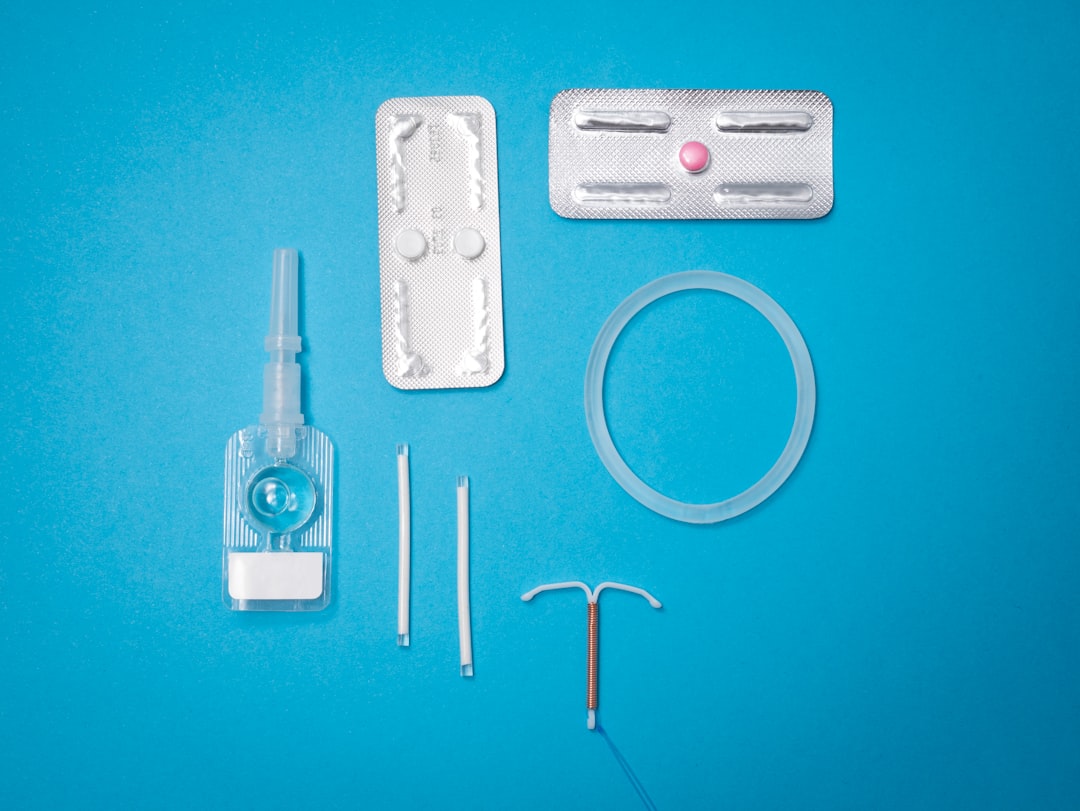
Other medications include nonsteroidal anti-inflammatory drugs (NSAIDs) for pain relief, birth control pills and progestin-releasing intrauterine devices (IUDs) to help control heavy bleeding and pain, though they do not shrink fibroids themselves. Tranexamic acid can also be prescribed to reduce heavy bleeding during periods, but again, it doesn’t affect fibroid size. Our expert doctors provide clear guidance on these options, discussing benefits and potential side effects to help you make informed decisions.
Which Size of Fibroid is Dangerous?
The “danger” of a fibroid isn’t solely about its size; it’s more about how it impacts your health and quality of life. Even small fibroids can cause significant issues if located in a problematic area, like near the uterine lining or a fallopian tube. Conversely, large fibroids can remain asymptomatic if they don’t press on organs or cause bleeding. However, larger fibroids generally have a higher likelihood of causing symptoms due to their mass effect and can present diagnostic challenges.
Fibroids are rarely cancerous, but it’s crucial to rule out malignancy, especially in cases of rapid growth. A very rare cancerous tumor called leiomyosarcoma can sometimes be mistaken for a fibroid. For this reason, any rapidly growing mass or new growth after menopause warrants careful evaluation. Our center, located at 742 Medical Plaza Drive, Suite 210, San Francisco, CA 94107, focuses on clinical precision to differentiate between benign and potentially serious conditions. Jean Terry, our clinical healthcare educator, often highlights the importance of timely and accurate assessment in patient education materials like this one.
“While fibroids themselves are almost always benign, rapid growth, especially after menopause, or unusual symptoms should prompt a thorough investigation to exclude leiomyosarcoma, a rare but aggressive form of uterine cancer.”
Other Non-Surgical and Minimally Invasive Options
Beyond oral medications, several procedures can address fibroids without major surgery. These options offer effective relief with less downtime, making them attractive for many patients seeking practical treatment strategies.
- Uterine Artery Embolization (UAE): This minimally invasive procedure involves blocking the blood supply to the fibroids. A radiologist inserts a thin catheter into an artery in the leg or wrist and guides it to the uterine arteries, injecting tiny particles that cut off blood flow to the fibroids. This causes them to shrink over time. It’s often highly effective for reducing heavy bleeding and bulk symptoms.
- Radiofrequency Ablation (RFA): RFA uses heat to destroy fibroid tissue. A small needle-like device is inserted into each fibroid, and radiofrequency energy heats and ablates the fibroid from the inside out. The treated fibroid tissue then shrinks over the following months. This procedure can be performed laparoscopically or hysteroscopically, depending on the fibroid’s location.
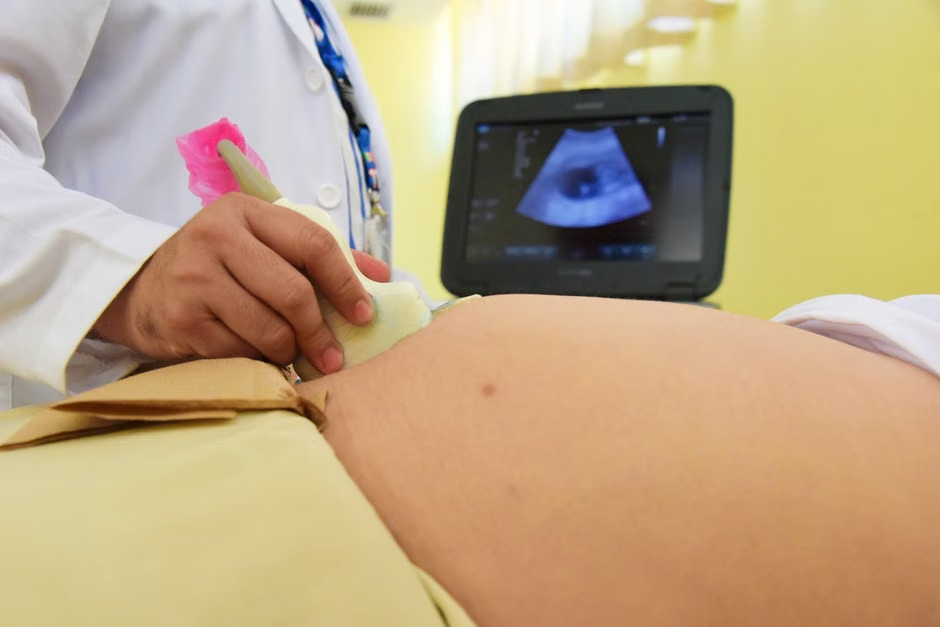
- MRI-Guided Focused Ultrasound Surgery (FUS): This non-invasive procedure uses high-intensity focused ultrasound waves to heat and destroy fibroid tissue, guided by real-time MRI imaging. No incisions are required, and recovery is typically quick. It’s a good option for women with specific fibroid characteristics and who desire a non-invasive approach.
Our multi-specialty coordinated care approach means we can consult with interventional radiologists or other specialists to determine the most suitable option for you. We provide attentive care through every step of the diagnostic and treatment process.
Considering Suitability: When Are These Treatments Right for You?
Choosing the right treatment for uterine fibroids involves a thoughtful discussion with your gynecologist. Non-surgical and minimally invasive options are often ideal for women who:
- Experience symptoms primarily related to heavy bleeding or mild-to-moderate pelvic pressure.
- Desire to preserve fertility or avoid hysterectomy.
- Are approaching menopause, as fibroids tend to shrink naturally afterwards.
- Have smaller fibroids or specific fibroid locations suitable for these methods.
- Prefer less invasive procedures with shorter recovery times.
However, it’s also important to acknowledge when these options might not be enough. For very large fibroids, numerous fibroids, or those causing severe, intractable symptoms, a myomectomy (surgical removal of fibroids) or even a hysterectomy (removal of the uterus) might be necessary. While we always explore the least invasive options first, our priority is your long-term health and relief from symptoms. We believe in being transparent about all potential paths, including surgical ones when clinically indicated. This commitment to balanced, evidence-based care helps us build massive trust with our patients.
What to Expect After Non-Surgical Fibroid Treatment
Expectations for recovery and results vary depending on the specific non-surgical treatment you receive. Generally, these methods offer a quicker return to daily activities compared to traditional surgery. With options like UAE, you might experience cramping and pain for a few days, similar to severe menstrual cramps, which can be managed with medication. Fibroid shrinkage is gradual, with significant symptom improvement often noted within 3-6 months.
For RFA or FUS, recovery is often faster, with many patients resuming light activities within a few days. Symptom relief, particularly for bulk symptoms, will improve over several weeks to months as the treated fibroid tissue is absorbed by the body. We emphasize that while these treatments are highly effective for many, it’s realistic to understand that fibroids can occasionally recur or new ones can develop. Regular follow-up appointments allow us to monitor your progress and ensure long-term health, as well as addressing other gynecological concerns like PCOS diagnosis and treatment.
Practical Tips for Managing Uterine Fibroid Symptoms
While medical intervention is often necessary, certain lifestyle adjustments and self-care practices can complement your treatment plan and help manage symptoms. We encourage a holistic approach to your health, supporting both your physical and emotional well-being.
- Track Your Symptoms: Keep a detailed record of your menstrual bleeding (heaviness, duration), pain levels, and other symptoms. This information is invaluable for your doctor in making an accurate assessment and monitoring treatment effectiveness.
- Manage Pain: Over-the-counter pain relievers like ibuprofen or naproxen can help alleviate menstrual cramps. If pain is severe, discuss stronger options with your doctor.
- Address Anemia: Heavy bleeding can lead to iron-deficiency anemia, causing fatigue and weakness. Your doctor may recommend iron supplements and dietary changes to boost iron intake.
- Maintain a Healthy Weight: Excess body fat can increase estrogen levels, potentially contributing to fibroid growth. A balanced diet and regular exercise can help manage weight.
- Consider Stress Reduction: Chronic stress can impact hormonal balance. Practices like yoga, meditation, or spending time in nature can be beneficial.
- Stay Hydrated: Drinking plenty of water is essential for overall health and can help if you experience constipation due to fibroids.
Remember, these tips are not substitutes for professional medical advice but can support your journey toward better health. Our providers are here to offer clear guidance and support, ensuring you feel empowered to make informed decisions about your care. We’re committed to your well-being, providing patient-centered care and diagnostic accuracy right here in San Francisco.
Dealing with uterine fibroids can feel overwhelming, especially when symptoms like heavy bleeding disrupt your life. However, with accurate diagnosis and a range of non-surgical and minimally invasive treatment options available today, relief is within reach. At BioSyntrx Medical Center, our multi-specialty team of over 100 expert doctors is ready to provide the attentive care and clinical precision you deserve. We’re here to help you understand your condition, explore the best evidence-based solutions for your unique needs, and guide you towards improved health and comfort. Don’t hesitate to reach out to our San Francisco clinic to schedule a consultation and take the first step toward managing your fibroids effectively.
