

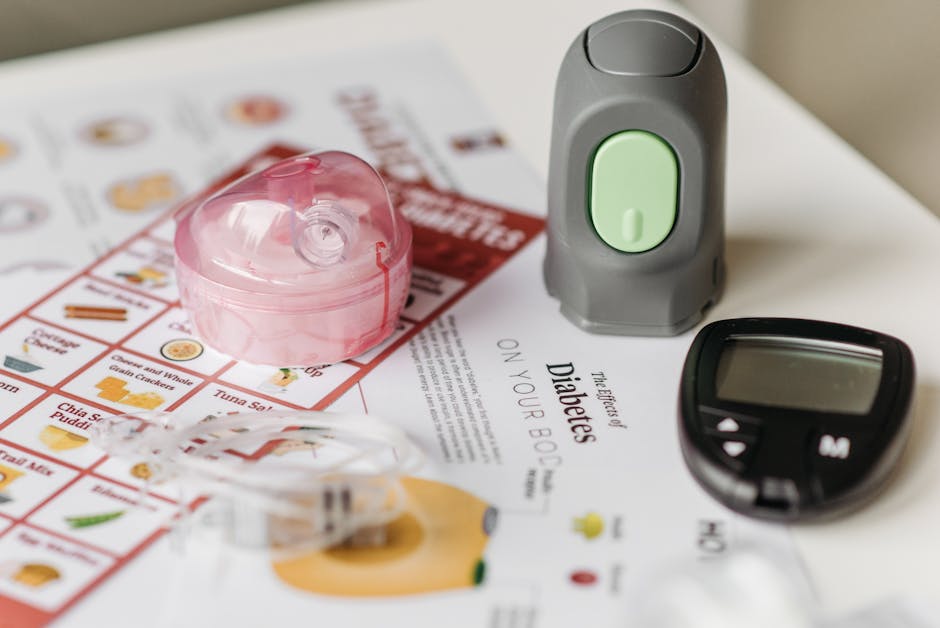
Living with type 2 diabetes can feel like a constant balancing act, demanding attention to diet, activity, and medication to maintain stable blood sugar levels. The challenges are real: from understanding complex dietary guidelines to integrating regular monitoring into your daily routine, it’s easy to feel overwhelmed. Many patients worry about long-term complications and seek clear guidance on how to manage their condition effectively and prevent progression.
The good news is that with accurate diagnosis and a well-coordinated care plan, managing type 2 diabetes is absolutely achievable. Our goal at BioSyntrx Medical Center is to empower you with the knowledge and support you need to navigate this journey confidently. We believe in providing patient-focused, evidence-based care across all our specialties, ensuring you receive a comprehensive approach to your health.
What Is Type 2 Diabetes?
Type 2 diabetes is a chronic condition that affects how your body metabolizes sugar, its main source of fuel. In type 2 diabetes, your body either resists the effects of insulin—a hormone that regulates the movement of sugar into your cells—or doesn’t produce enough insulin to maintain normal glucose levels. This leads to an excess of sugar circulating in the bloodstream, which can cause serious health problems over time if left unmanaged.
Unlike type 1 diabetes, which is an autoimmune condition, type 2 diabetes often develops over many years and is frequently linked to lifestyle factors like diet, physical inactivity, and obesity, though genetics also play a role. According to the Centers for Disease Control and Prevention (CDC), most people with diabetes have type 2, and it typically begins in adulthood, although it’s increasingly diagnosed in children and adolescents.
How Does Type 2 Diabetes Affect Your Body?
When your body can’t effectively use insulin or doesn’t produce enough, glucose builds up in your blood. Over time, high blood glucose can damage blood vessels, nerves, and organs throughout your body. This damage can manifest in various ways, from cardiovascular issues to nerve damage (neuropathy) and kidney disease.
The long-term effects of unmanaged blood sugar can be profound, impacting everything from your vision to your foot health. Our board-certified endocrinologists and other specialists at BioSyntrx Medical Center work together to monitor these potential complications, providing coordinated care that addresses the whole patient, not just the diabetes itself. We’ve seen thousands of patients manage their diabetes effectively through attentive care and clear communication.
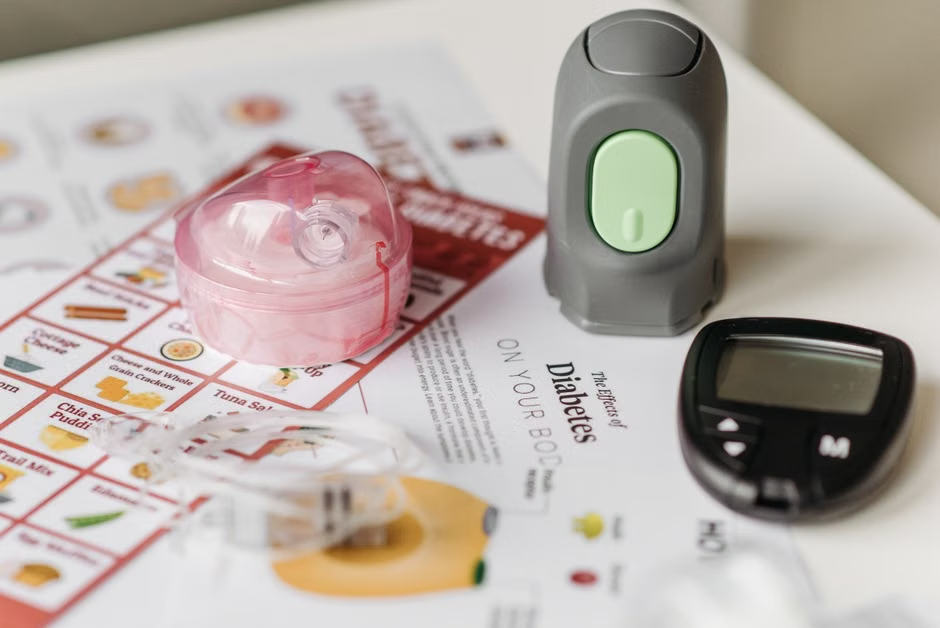
What Are Common Symptoms of Type 2 Diabetes?
Many patients feel well until a condition has advanced, making routine evaluation an essential part of prevention. Early symptoms of type 2 diabetes can be subtle or easily overlooked. Recognizing them early allows for prompt intervention and better long-term outcomes. If you notice any of these signs, it’s wise to discuss them with your healthcare provider:
- Increased thirst
- Frequent urination
- Increased hunger
- Unexplained weight loss
- Fatigue
- Blurred vision
- Slow-healing sores
- Frequent infections (gums, skin, vaginal, bladder)
- Numbness or tingling in the hands or feet (neuropathy)
What Level of Blood Sugar Is Dangerous for Type 2 Diabetes?
For individuals with type 2 diabetes, blood sugar levels are considered dangerous when they are either consistently too high (hyperglycemia) or too low (hypoglycemia). Extremely high levels can lead to diabetic ketoacidosis or hyperglycemic hyperosmolar state, while very low levels can cause confusion, loss of consciousness, or seizures, all requiring immediate medical attention.
Generally, a fasting blood sugar level of 126 mg/dL (7.0 mmol/L) or higher on two separate tests indicates diabetes. However, what’s considered “dangerous” can vary. A blood glucose reading over 300 mg/dL (16.7 mmol/L) is often a sign of hyperglycemia that needs urgent attention. Conversely, a reading below 70 mg/dL (3.9 mmol/L) indicates hypoglycemia, which can also be dangerous. Our providers emphasize accurate diagnosis and consistent monitoring to help patients understand and maintain their target ranges, reducing the risk of these acute complications.
What Lifestyle Changes Are Recommended for Diabetes Type 2?
Lifestyle changes form the cornerstone of type 2 diabetes management and prevention, significantly impacting blood sugar control. These include adopting a balanced diet focused on whole foods, engaging in regular physical activity, managing stress effectively, and maintaining a healthy body weight. Even modest adjustments can lead to substantial improvements in overall health and reduce the need for medication.
At BioSyntrx Medical Center, we guide our patients through practical treatment strategies tailored to their unique needs. We know that making lasting changes takes support. Here are some key lifestyle modifications we often recommend:
- Prioritize a Balanced Diet: Focus on whole, unprocessed foods. This means plenty of vegetables, fruits, lean proteins, and whole grains. Limit refined carbohydrates, sugary drinks, and unhealthy fats. Working with a dietitian can provide clear guidance on portion control and meal planning.
- Stay Physically Active: Aim for at least 150 minutes of moderate-intensity aerobic activity per week, such as brisk walking, swimming, or cycling. Incorporate strength training exercises two or more days a week. Even short bursts of activity throughout the day can make a difference.
- Achieve and Maintain a Healthy Weight: Losing even a small percentage of body weight can significantly improve blood sugar control. We work with patients to set realistic weight management goals.
- Manage Stress: Chronic stress can impact blood sugar levels. Find healthy coping mechanisms like meditation, yoga, deep breathing exercises, or hobbies you enjoy.
- Get Adequate Sleep: Poor sleep can affect insulin sensitivity and appetite-regulating hormones. Aim for 7-9 hours of quality sleep per night.
- Monitor Blood Sugar Regularly: Regular monitoring provides valuable information about how your body responds to food, activity, and medication, allowing for adjustments to your care plan.
“Adopting a lifestyle that includes a balanced diet and regular physical activity isn’t just about managing symptoms; it’s about fundamentally improving how your body processes glucose and significantly reducing the risk of long-term complications. These changes are powerful tools in your health toolkit.”
Just Diagnosed with Type 2 Diabetes: What Can I Eat?
When you’re first diagnosed with type 2 diabetes, dietary changes are often top of mind. The focus should be on nutrient-dense foods that stabilize blood sugar, provide sustained energy, and promote overall health. This generally means prioritizing fiber, lean protein, and healthy fats, while limiting processed foods, added sugars, and refined carbohydrates.
Our collaborative approach to care ensures that you receive tailored dietary advice, potentially working with a nutritionist alongside your endocrinologist. Eating well doesn’t mean sacrificing flavor; it’s about making informed choices. Consider including foods like:
- Non-starchy Vegetables: Broccoli, spinach, kale, bell peppers, asparagus. These are low in calories and carbohydrates but high in fiber and nutrients.
- Lean Proteins: Chicken breast, fish, tofu, beans, lentils. Protein helps you feel full and can prevent blood sugar spikes.
- Whole Grains: Oats, quinoa, brown rice, whole-wheat bread. These provide fiber and complex carbohydrates that digest slowly.
- Healthy Fats: Avocados, nuts, seeds, olive oil. These are good for heart health and can help with satiety.
- Certain Fruits: Berries, apples, citrus fruits. Enjoy in moderation, focusing on whole fruits rather than juices.
Monitoring your MCHC blood test and MCV blood test results can sometimes provide additional insights into your nutritional status, as red blood cell health can be affected by various factors, including certain vitamin deficiencies often discussed in diabetes management. We also help patients understand how to manage co-existing conditions, such as strategies for high blood pressure treatment, which is often linked with diabetes.
How Can I Prevent Diabetes Naturally?
While some risk factors for type 2 diabetes, like genetics, are beyond our control, many others are modifiable through natural lifestyle choices. Focusing on these areas can significantly lower your risk, even if you have prediabetes or a family history of the condition. We prioritize early evaluation and preventive health strategies because early intervention makes a monumental difference.
Preventing type 2 diabetes naturally involves many of the same lifestyle principles used in managing the condition. Our 25+ years of experience in San Francisco have shown us the power of proactive care. Here’s how you can work towards prevention:
- Maintain a Healthy Weight: This is arguably the most impactful preventative step. Losing even a small amount of excess weight can dramatically reduce your risk.
- Eat a Plant-Rich Diet: Focus on whole foods, including plenty of fruits, vegetables, and whole grains. Limit red and processed meats, sugary beverages, and highly refined carbohydrates.
- Engage in Regular Physical Activity: Aim for at least 30 minutes of moderate-intensity exercise most days of the week. Physical activity helps your body use insulin more effectively.
- Avoid Sugary Drinks: These contribute to weight gain and blood sugar spikes, increasing diabetes risk. Choose water, unsweetened tea, or coffee instead.
- Quit Smoking: Smoking increases the risk of insulin resistance and other serious health problems.
- Regular Health Screenings: Discuss your risk factors with your doctor. Regular check-ups, including blood tests, can help detect issues like elevated blood sugar (prediabetes) early, allowing for timely intervention. This includes monitoring your ALT blood test, as liver health can be related to metabolic conditions.
“Preventive measures like consistent exercise and a balanced diet are critical. They help improve insulin sensitivity and maintain a healthy weight, which are two of the most effective ways to lower your risk of developing type 2 diabetes, even if you have a genetic predisposition.”

What to Expect from Type 2 Diabetes Management
Managing type 2 diabetes is a continuous process, not a one-time fix. When you partner with a medical center like BioSyntrx, you can expect a patient-centered approach focused on long-term health and stable outcomes. Our care involves ongoing education, regular monitoring, and adjustments to your treatment plan as needed. You’ll work closely with a team that may include endocrinologists, dietitians, and other specialists, ensuring a truly coordinated care experience.
Realistically, while blood sugar control can improve relatively quickly with lifestyle changes and medication, achieving optimal A1C targets and preventing complications is a journey over months and years. You’ll likely see initial improvements in blood sugar within weeks of starting a new regimen. Consistent effort in diet, exercise, and medication adherence will lead to more stable readings and better overall health outcomes over time. We emphasize clear communication to help you make informed medical decisions every step of the way.
Managing type 2 diabetes effectively requires a commitment to your health and the support of an experienced medical team. At BioSyntrx Medical Center, located at 742 Medical Plaza Drive, Suite 210, San Francisco, CA 94107, we offer the comprehensive, evidence-based care you need. Our team of over 100 expert doctors across eight distinct medical specialties is ready to provide the accurate diagnosis and personalized treatment strategies essential for your long-term well-being. Don’t wait to take control of your health; contact us today to schedule a consultation and begin your path to better blood sugar management and a healthier future. You can also learn more about our commitment to patient safety and clinical precision on our home page.
