

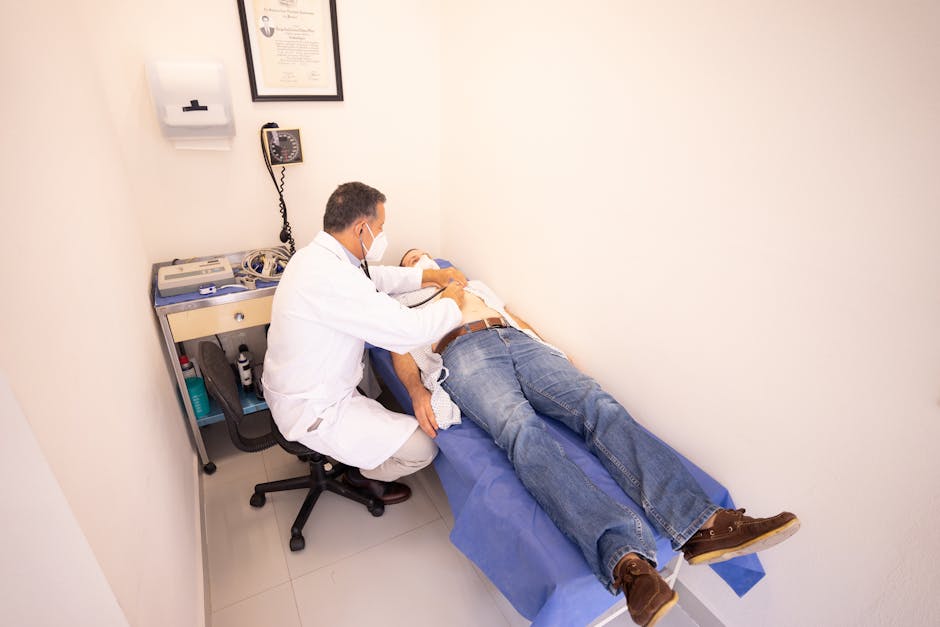
You've been more tired than usual for months. Maybe you've gained weight without changing your diet, or your skin feels dry no matter how much lotion you use. You've mentioned it to friends, maybe even a doctor, and been told it's stress, or aging, or just life. For many patients, this pattern points to an underactive thyroid, and it's one of the more commonly missed diagnoses in adult medicine.
Hypothyroidism affects nearly every system in the body because the thyroid gland regulates metabolism, temperature, and energy production at a cellular level. When thyroid hormone output drops, symptoms creep in slowly enough that patients often adapt without realizing something is wrong. We see this pattern often in our endocrinology practice, where hypothyroidism sits alongside other metabolic conditions we manage, including the blood sugar disorders covered in our guide to type 2 diabetes management and prevention.
At BioSyntrx Medical Center, we evaluate thyroid function as part of a coordinated diagnostic process, not an isolated lab order. This guide walks through the symptoms of hypothyroidism, how hormone replacement therapy works, and what a realistic treatment timeline looks like, so you can make an informed medical decision about your care.
What Is Hypothyroidism?
Hypothyroidism occurs when the thyroid gland, a small butterfly-shaped organ at the base of your neck, doesn't produce enough thyroid hormone to meet the body's needs. The condition is most commonly caused by Hashimoto's disease, an autoimmune disorder in which the immune system gradually attacks thyroid tissue. Other causes include thyroid surgery, radiation treatment, certain medications, and, less commonly, problems originating in the pituitary gland itself.
"Hypothyroidism can cause a wide range of signs and symptoms, from fatigue and weight gain to dry skin and depression, and because these symptoms often overlap with other conditions, the disease can go undiagnosed for years."
How Thyroid Hormone Regulation Works
Your thyroid doesn't operate independently. It takes its orders from the pituitary gland, a pea-sized structure at the base of the brain that releases thyroid-stimulating hormone, or TSH, to signal the thyroid to produce more hormone when levels run low. This feedback loop is precise under normal circumstances, and clinical accuracy in reading it is what separates a genuine hypothyroidism diagnosis from a temporary lab fluctuation. The pituitary gland regulates far more than thyroid output, and pituitary gland tumors can secrete excess amounts of growth hormone or other hormones, which is one reason we look at the whole pituitary-thyroid axis rather than a single TSH number when the clinical picture doesn't add up. Research summarized by the National Institute of Diabetes and Digestive and Kidney Diseases confirms that TSH testing remains the most reliable first-line marker for thyroid dysfunction.

Symptoms of Hypothyroidism: What to Look For
Many patients search for the symptoms of the hypothyroidism late at night, after weeks of unexplained fatigue, before they ever book an appointment. Thyroid problems and hypothyroidism symptoms rarely announce themselves all at once. They accumulate. A patient might notice one or two changes at first, brush them off, and only recognize the full pattern once we lay it out during an evaluation.
- Persistent fatigue that doesn't improve with rest
- Unexplained weight gain despite no change in diet or activity
- Dry skin, brittle nails, and thinning hair
- Sensitivity to cold, especially in the hands and feet
- Muscle weakness, joint stiffness, or heaviness and aching in the legs
- Constipation and slowed digestion
- Irregular or heavier menstrual periods
- Low mood, brain fog, or difficulty concentrating
Left untreated, hypothyroidism can also raise cardiovascular risk over time, since low thyroid hormone affects cholesterol metabolism and resting heart rate. We coordinate closely with our cardiology colleagues on cases where thyroid dysfunction overlaps with the risk factors discussed in our guide to high blood pressure treatment and hypertension management.
Hypothyroidism Treatment in Females
Hypothyroidism treatment in females typically starts with the same first-line therapy used in men, a daily synthetic thyroid hormone, but treatment plans often account for additional factors such as menstrual cycle changes, fertility goals, pregnancy, and perimenopause, since thyroid function and reproductive hormones influence each other closely throughout a woman's life.
Women are diagnosed with hypothyroidism several times more often than men, and the reasons aren't fully understood, though autoimmune susceptibility plays a significant role. Because thyroid hormone affects ovulation and menstrual regularity, we often coordinate thyroid evaluation alongside broader reproductive health screening. If you're already being evaluated for irregular cycles or fertility concerns, your care team may also check anti mullerian hormone levels to assess ovarian reserve, since thyroid dysfunction and reproductive hormone imbalances frequently show up together. This is one reason gynecological and endocrine care work best when coordinated rather than treated as separate problems, a principle we outline in our overview of regular gynecological care.
Can I Take HRT If I Have an Underactive Thyroid?
Yes, in most cases you can take hormone replacement therapy for perimenopause alongside thyroid hormone treatment, but the two need to be monitored together. Estrogen changes how much thyroid hormone stays active in your bloodstream, which sometimes means your thyroid medication dose needs adjustment after starting HRT.
Estrogen increases a carrier protein in the blood that binds thyroid hormone, which can leave less of it freely available for your cells to use. Patients starting hormone replacement therapy for perimenopause while already on thyroid medication usually need a follow-up TSH check six to eight weeks later to confirm their dose is still correct. We've seen patients whose thyroid medication had worked well for years suddenly need a dose increase simply because they started HRT, so this isn't a rare interaction. If your hormonal symptoms overlap with a condition like polycystic ovary syndrome, the picture can get more complicated, and it's worth reading our breakdown of PCOS diagnosis and treatment to understand how these hormone systems interact.
Best Medicine for Hypothyroidism
Levothyroxine, a synthetic form of the T4 thyroid hormone, is the best medicine for hypothyroidism for the overwhelming majority of patients. It's inexpensive, well-studied, and closely mirrors the hormone your thyroid would normally produce, which makes dosing predictable and side effects manageable once levels are properly monitored.
Hypothyroidism and treatment go hand in hand with consistency. Levothyroxine works best taken on an empty stomach, at the same time every day, ideally thirty to sixty minutes before food or coffee, since both can interfere with absorption. Some patients ask about combination therapy with T3, the more active thyroid hormone, and while it has a role for a smaller subset of patients who don't feel fully well on T4 alone, current evidence-based treatment for hypothyroid disease still favors levothyroxine as the standard starting point.

Thyroid Hormone Replacement Side Effects
Thyroid hormone replacement side effects are uncommon when the dose is correct, but too much medication can cause heart palpitations, anxiety, insomnia, and unintended weight loss, while too little leaves hypothyroid symptoms only partially treated. Most side effects resolve once your dose is adjusted and confirmed with a follow-up blood test.
Getting the dose right takes patience, not guesswork. We typically recheck TSH six to eight weeks after any dose change, since thyroid hormone takes time to reach a stable level in the bloodstream. Older adults and patients with underlying heart conditions usually start on a lower dose that's increased gradually, since a too-aggressive starting dose can strain the heart.
"Thyroid hormone replacement is generally safe and well tolerated, but dosing must be individualized and monitored with periodic blood tests to avoid the effects of both under-treatment and over-treatment."
Can Hypothyroidism Be Reversed Without Medication?
Hypothyroidism caused by autoimmune disease or thyroid tissue loss generally cannot be reversed without medication, because the underlying hormone deficiency doesn't correct itself. Diet and lifestyle changes support overall health, but they don't replace the thyroid hormone your body is no longer producing in adequate amounts.
We hear this question often, and we understand why. Some patients ask about thyroid glandular supplements, desiccated extracts made from animal thyroid tissue, as a more natural alternative to synthetic hormone. We generally don't recommend them, since the hormone content in these products isn't standardized the way prescription levothyroxine is, which makes dosing unpredictable and monitoring difficult. That said, real exceptions exist and are worth naming honestly. Subclinical hypothyroidism, where TSH is mildly elevated but T4 remains normal, sometimes resolves on its own or doesn't require treatment at all, particularly in older patients where a slightly elevated TSH carries less risk. Postpartum thyroiditis, an inflammation that shows up after pregnancy, often causes temporary hypothyroidism that resolves within twelve to eighteen months without lifelong medication. If your hypothyroidism was triggered by a medication you're taking for another condition, adjusting that medication under medical supervision may be the real fix, not adding thyroid hormone on top of it.
What to Expect: A Realistic Treatment Timeline
Patients often ask how soon they'll feel better once treatment starts, especially the ones dealing with the weight and energy changes hypothyroidism causes. The honest answer is gradually. Most patients notice improved energy within two to four weeks of starting the correct dose, though full symptom resolution can take three to six months as your body adjusts.
Weight changes are more modest than many expect. If hypothyroidism caused the weight gain, treating it typically resolves several pounds of water retention and metabolic slowdown, not the full amount some patients hope for. Any additional weight loss usually requires the same nutrition and activity changes that would apply regardless of thyroid status. Patients asking whether they can take GLP-1 medications for weight management alongside hypothyroidism should know these drugs are not interchangeable with thyroid hormone and work through a different mechanism entirely; we evaluate that combination case by case, once thyroid levels are stable.
Practical Tips for Living With Hypothyroidism
A few habits make thyroid hormone replacement far more predictable and effective over time.
- Take levothyroxine on an empty stomach at the same time every day, and wait at least 30 minutes before coffee or food.
- Separate calcium and iron supplements from your thyroid medication by at least four hours, since they block absorption.
- Build a hypothyroidism diet around iodine-appropriate whole foods, lean protein, and fiber to support digestion and steady energy.
- Get your TSH rechecked six to eight weeks after any dose change, then annually once stable.
- Track symptoms in the weeks after starting or adjusting medication so your provider can fine-tune your dose.
- Tell every provider you see about your thyroid medication, especially before starting HRT or GLP-1 therapy.
Hypothyroidism is manageable, often very well, once it's accurately diagnosed and consistently treated. What it isn't is a condition to guess your way through with supplements or symptom-chasing, especially when the underlying cause can shift your entire treatment plan. In our practice at BioSyntrx Medical Center, we've supported patients through exactly this process, matching thyroid hormone replacement to their specific labs, symptoms, and life stage rather than a generic dose. If the symptoms above sound familiar, an accurate diagnosis, the kind Jean Terry and our clinical team walk patients through every week, is the first real step toward feeling like yourself again.
