


A dark spot on a molar. A twinge when you drink something cold. Most people notice tooth decay long before they mention it to a dentist, and by the time they do, the real question isn't whether something is wrong. It's how far it has gone.
The good news is that decay moves slowly, in stages, and each stage comes with a different set of options. Some early lesions can be stopped, even reversed, without a drill touching the tooth. Others need a filling, a crown, or something more involved. Knowing which stage you're dealing with changes everything about how you respond, which is why we built our coordinated care approach at BioSyntrx Medical Center around accurate diagnosis before anything else.
At BioSyntrx Medical Center, we bring the same evidence-based care to dentistry that we bring to cardiology or dermatology: diagnose precisely, then treat only what needs treating. Jean Terry, who writes much of our patient education content, hears a version of the same question from nearly every patient with a suspicious spot on a tooth: is this something I can fix myself, or do I need a filling? This article walks through what actually causes decay, when it can still be caught early, and what restoration looks like once it can't.
What Are the Four Causes of Tooth Decay?
Tooth decay develops from four factors working together: bacteria in the mouth, sugars and starches that feed those bacteria, a tooth surface vulnerable to acid, and enough time for the process to progress. Remove any one factor consistently enough, and decay slows or stops. That's the foundation nearly every prevention strategy is built on.
Every mouth carries bacteria, and that's normal. The trouble starts when those bacteria feast on sugars and refined carbohydrates left behind after meals and snacks, producing acid as a byproduct. That acid strips minerals out of enamel, a process dentists call demineralization. According to the National Institute of Dental and Craniofacial Research, part of the National Institutes of Health, tooth decay remains one of the most common chronic conditions in the country despite being largely preventable. Saliva normally buffers some of that acid and redeposits minerals, but frequent snacking, dry mouth, or inconsistent hygiene can tip the balance toward damage faster than your mouth can repair itself.

How Does Tooth Decay Actually Progress?
Decay doesn't jump straight from healthy enamel to a hole. It moves through stages, and each one looks and feels different. The earliest stage is demineralization, often visible as a chalky white spot where minerals have started leaching out. No cavity exists yet at this point, just weakened enamel. Left alone, the acid attack continues eating through the enamel until it breaks the surface, creating an actual cavity, a physical hole that will not close on its own. Once decay reaches the dentin underneath, it tends to move faster, since dentin is softer and less resistant to acid than enamel. Left untreated long enough, decay can reach the pulp at the center of the tooth, where the nerve and blood supply live, and that's usually when pain becomes hard to ignore.
"Cavities and tooth decay are among the most common health problems in the world. They're especially common in children, teenagers and older adults, but anyone who has teeth can get a cavity, including infants."
Tooth Decay vs. Cavity: What's the Difference?
Tooth decay is the ongoing process of acid damaging enamel, while a cavity is the outcome, an actual hole that forms once decay has broken through the tooth's surface. In other words, decay describes what's happening, and a cavity describes what's left behind once it has happened long enough.
That distinction matters because it changes what treatment looks like, and accurate diagnosis at this stage determines everything that follows. Decay caught during demineralization can sometimes be managed with fluoride, better hygiene, and dietary changes, no drilling required. A true cavity is structural damage. Enamel doesn't regenerate the way skin or bone does, so once a hole exists, professional treatment is the only way to keep it from getting larger.
What to Look For: Early Signs of Decay
Not every case of decay announces itself with pain, which is part of why routine evaluation matters so much. Board-certified providers recommend watching for a handful of early warning signs, since catching decay before it reaches the nerve is almost always less invasive and less costly to treat.
- A visible dark spot, brown stain, or chalky white patch on a tooth
- Sensitivity to hot, cold, or sweet foods that lingers after the stimulus is gone
- A dull ache or sharp pain when biting down
- Visible pits or small holes in the tooth surface
- Persistent bad breath or an unpleasant taste that brushing doesn't clear
- Rough or soft spots you can feel with your tongue
- Swelling or tenderness in the gum near a specific tooth
"More than 1 in 4 adults in the United States has untreated tooth decay, making cavities one of the most common chronic conditions in the country."
— CDC
Gum inflammation deserves particular attention here. Chronic gum disease has been associated with cardiovascular risk in multiple studies, a connection we discuss in more depth in our guide to high blood pressure treatment and hypertension management, and it's one more reminder that oral health rarely stays isolated from the rest of the body.
Can You Stop Teeth Rotting Once They Start?
Yes, but only at the earliest stage. Demineralized enamel that hasn't yet cavitated can be remineralized with fluoride treatment, improved hygiene, and reduced sugar exposure. Once an actual cavity has formed, decay cannot reverse itself. No amount of brushing, oil pulling, or home remedy will close a hole that already exists in the tooth.
This is where a lot of misinformation circulates online, including claims that a cavity can heal in a couple of days with the right home remedy. It can't. What those claims are usually describing, often without saying so clearly, is remineralization of very early enamel demineralization, not an actual cavity. Fluoride, whether from toothpaste, a professional varnish, or fluoridated water, remains the most evidence-supported tool for helping enamel remineralize at that early stage. Xylitol, steady saliva flow, and cutting back on frequent snacking all support that same process. None of it works once the enamel surface has actually broken, no matter how consistently it's applied.
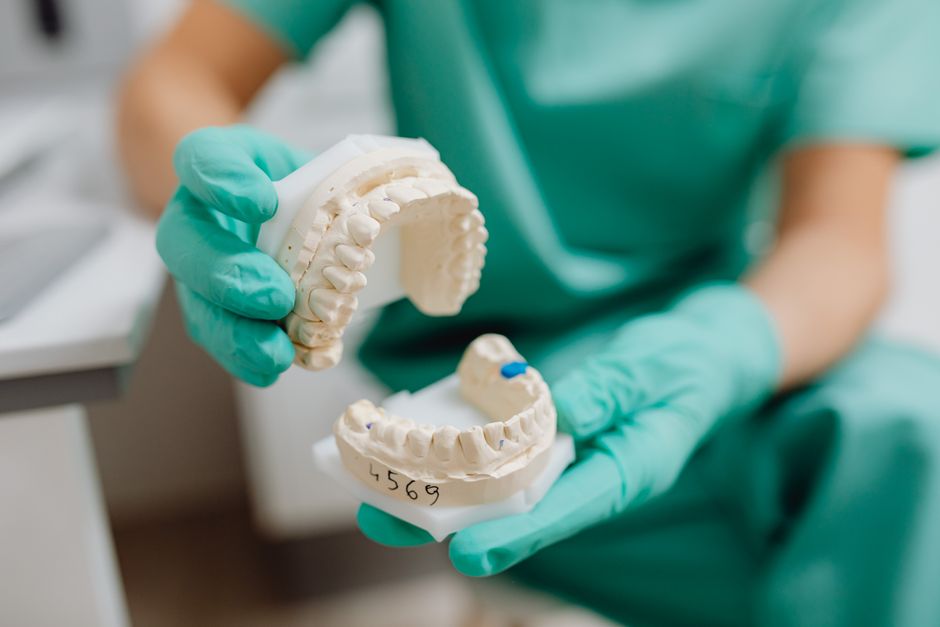
Can Rotting Teeth Be Restored?
In most cases, yes. Once a cavity has formed, restoration is not just possible, it's usually straightforward, especially when it's caught early. Treatment options generally scale with how far decay has progressed:
- Fluoride varnish or remineralizing treatment for pre-cavity demineralization
- A standard filling for a cavity confined to the enamel or outer dentin
- A crown when decay has removed enough tooth structure that a filling can't support normal biting force
- Root canal treatment when decay has reached the nerve, followed by a crown to protect what remains
- Extraction when a tooth is damaged beyond what restoration can repair, often followed by a bridge or dental implant
Extraction is the option we try hardest to avoid, because no replacement performs exactly like a natural tooth. When it becomes necessary, dental implants tend to offer the most durable long-term outcome, though dental implant cost varies widely depending on how many teeth are involved, whether bone grafting is needed, and the materials used. This is where dental insurance plans become part of the conversation. Coverage differs by plan and provider, and patients carrying dental insurance, including Delta Dental insurance, should confirm ahead of time which restorative procedures are covered and at what percentage. Delta Dental and similar carriers typically cover a portion of preventive visits at little or no out-of-pocket cost, which is one more reason routine evaluation pays off regardless of which dental insurance plan you carry.
Restoration isn't automatically the right call for every situation, and a good dental clinic will tell you that directly, because patient-centered care means the treatment fits the patient, not the other way around. Silver diamine fluoride, a liquid that can arrest decay without removing tooth structure, is sometimes a reasonable option for young children, patients with dental anxiety, or those with medical conditions that make a standard filling appointment difficult, even though it can leave a dark stain on the treated area. Underlying medical conditions can shift the picture too. Thyroid dysfunction, for example, can reduce saliva production and raise cavity risk, a connection we cover in our guide to hypothyroidism treatment and hormone replacement, which is part of why we look at the whole patient rather than just the tooth in front of us.
What to Expect: Restoration Timeline and Recovery
Timelines vary by procedure, but most restorative dental work moves faster than patients expect. A standard filling takes one appointment, usually under an hour, and you can eat normally once the numbness wears off, typically within two to four hours. A crown generally requires two visits over two to three weeks, since a lab needs time to fabricate it, unless the clinic uses same-day milling. Root canal treatment followed by a crown usually spans two to three appointments across several weeks. Dental implants take the longest, often four to nine months from placement to final restoration, because the implant needs time to fuse with the jawbone before it can support a crown. None of these timelines are a reason to delay treatment. Decay left untreated doesn't pause while you decide; it keeps progressing, and the longer it goes, the more likely you are to need the more involved option instead of the simpler one.
Across every specialty at our center, from the skin conditions we address in our guide to acne treatment and skincare options to the restorative work we do in dentistry, the same principle holds: earlier evaluation means simpler treatment and better long-term outcomes.
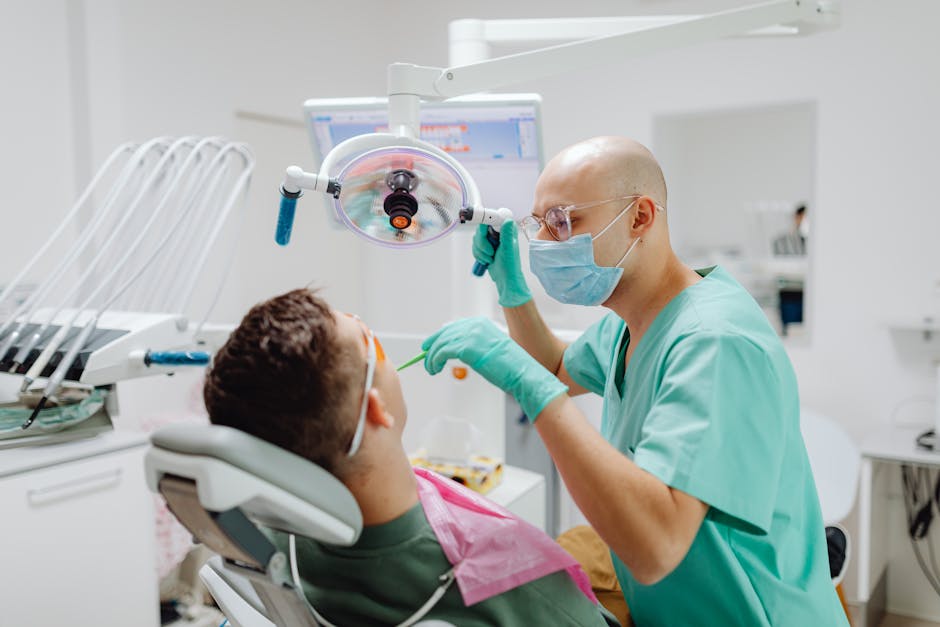
Practical Tips for Preventing Tooth Decay
Prevention of tooth decay comes down to a short list of habits, most of which patients already know but don't always practice consistently. A few adjustments make a measurable difference:
- Brush twice daily with a fluoride toothpaste, holding the brush at a slight angle to reach the gumline
- Floss once a day to clear the areas a toothbrush can't reach between teeth
- Limit frequent snacking and sipping on sugary or acidic drinks between meals
- Drink fluoridated water when it's available, or ask your dentist about a fluoride rinse if it isn't
- Chew xylitol gum after meals to boost saliva flow and reduce acid-producing bacteria
- Schedule a professional cleaning and evaluation every six months, even when nothing hurts
Tooth decay is one of the more forgiving problems in medicine, in the sense that it gives you plenty of warning before it becomes serious. A chalky spot, a twinge of sensitivity, a rough patch you notice with your tongue: these are all early signals, and every one of them is easier to address than what comes after. In more than two decades of coordinated care at our San Francisco medical center, we've walked thousands of patients through this exact decision, from a five-minute fluoride treatment to a full restoration plan, and the pattern holds every time. The earlier you come in, the fewer options you need. If something feels off in your mouth right now, that's reason enough to have it looked at, not a reason to wait until it hurts.
